Buying Guide · 10 min read
2016 Subaru Outback: Gen-5 Sweet Spot Year
Second year of the fifth generation, refined from the 2015: Starlink safety services arrive and EyeSight gains Lane Keep Assist, for barely more than a 2015.
By Elena Marsh · · Updated
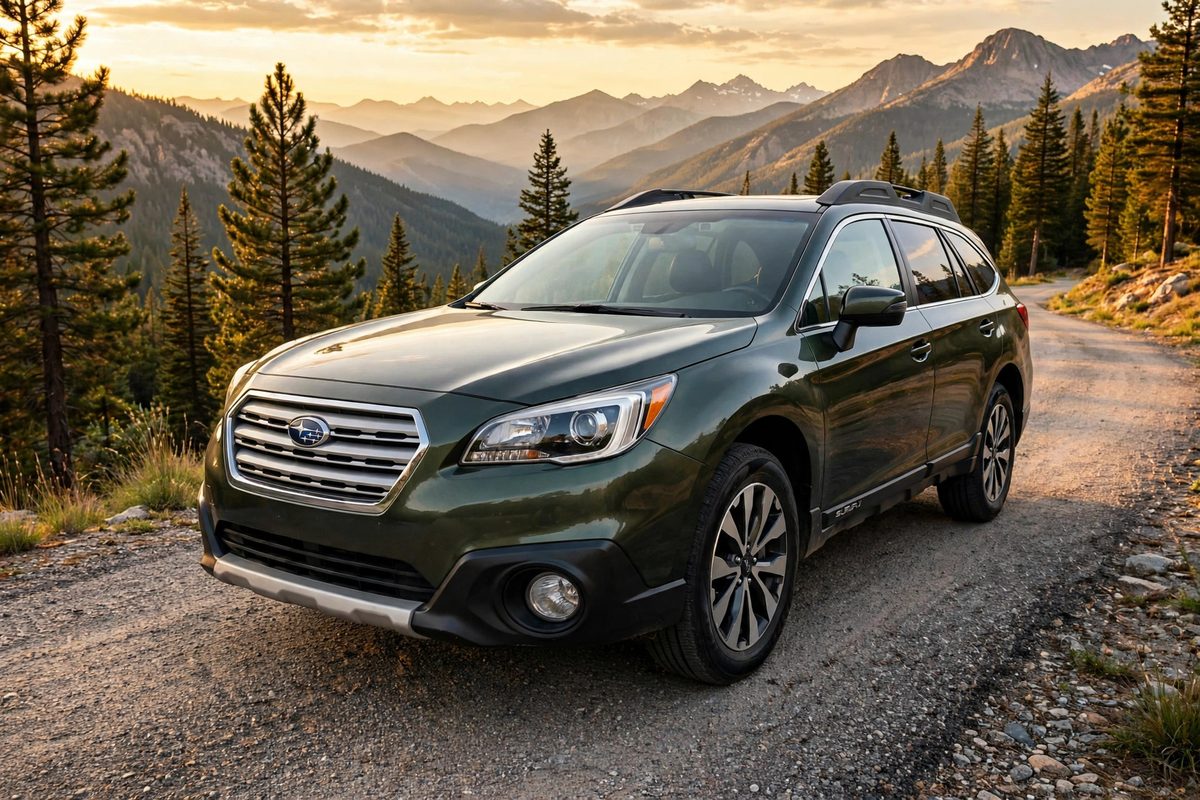
The 2016 Subaru Outback is the second year of the fifth-generation redesign, and one of the smartest used buys in the lineup. Prices when new ran from $24,995 for the 2.5i to $33,395 for the 3.6R Limited; today Kelley Blue Book puts typical dealer purchase prices between about $9,475 and $13,550, with CARFAX listing an average asking price of $12,774. The 2.5-liter returns 25 mpg in the city and 33 on the highway, while the 3.6-liter manages 20 and 27. Every 2016 Outback has standard all-wheel drive, X-Mode, and a CVT automatic, a five-star overall NHTSA rating, and an IIHS Top Safety Pick+ award with EyeSight. This guide covers the trims, the real running costs, and what to check before you buy.
2016 Subaru Outback at a Glance
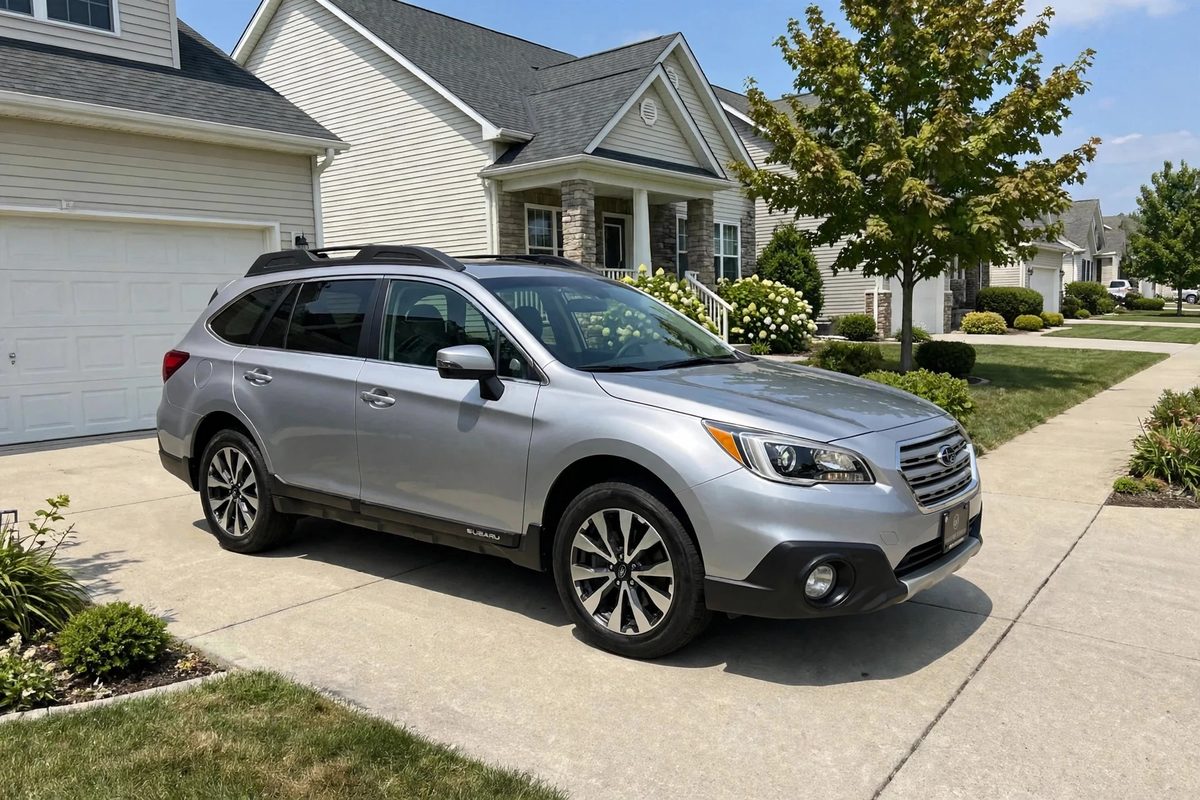
| What to know | 2016 Outback |
|---|---|
| Starting price when new | $24,995 (2.5i) to $33,395 (3.6R Limited) |
| Current used price | About $9,475–$13,550 (KBB); $12,774 avg (CARFAX) |
| Engines | 2.5-liter flat-four, 175 hp; 3.6-liter flat-six, 256 hp |
| Fuel economy | 25/33 mpg (2.5-liter); 20/27 mpg (3.6-liter) |
| Drivetrain | Standard Symmetrical AWD, CVT, X-Mode |
| Towing | 2,700 lbs (2.5-liter); 3,000 lbs (3.6-liter) |
| Cargo | 35.5 cu ft behind rear seats; 73.3 folded |
| Ground clearance | 8.7 inches |
| Safety | NHTSA 5 stars overall; IIHS Top Safety Pick+ |
| Ratings | 4.4/5 KBB; 4/5 Edmunds owners (254 reviews) |
Why the 2016 Model Year Matters
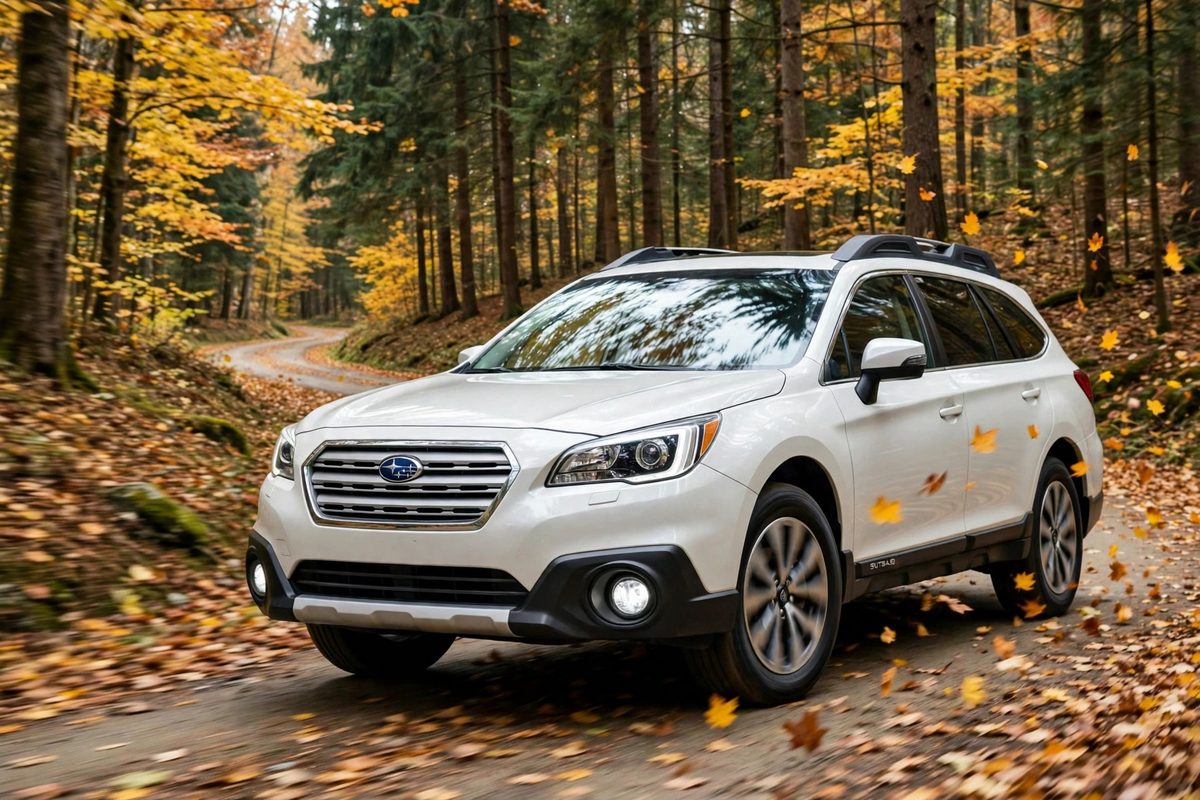
For 2016, Subaru left the redesigned Outback largely alone — and that is the point. The fifth-generation wagon was only a year old, so the 2016 is the same modern car as the 2015, with the first-year edges sanded down. The changes are small but useful: Subaru's Starlink Safety and Security connected services arrived on Premium and Limited trims, adding automatic collision notification and emergency assistance, and EyeSight gained Lane Keep Assist, which steers the car back into its lane above 40 mph. Limited models also got a retuned suspension, and a rearview camera became standard across the range.
That makes the 2016 a sweet spot in the used market: it costs barely more than a 2015, yet it carries the newer driver-assistance tech and one more year of refinement. Edmunds named the Outback one of its Best Used SUVs for 2016, and owners rate it 4 out of 5 across 254 reviews. The trade-off is familiar: this is still an early fifth-generation car, so the windshield, battery, and CVT checks in this guide still apply, and you should run the VIN through NHTSA's recall lookup before paying.
Prices and Trims
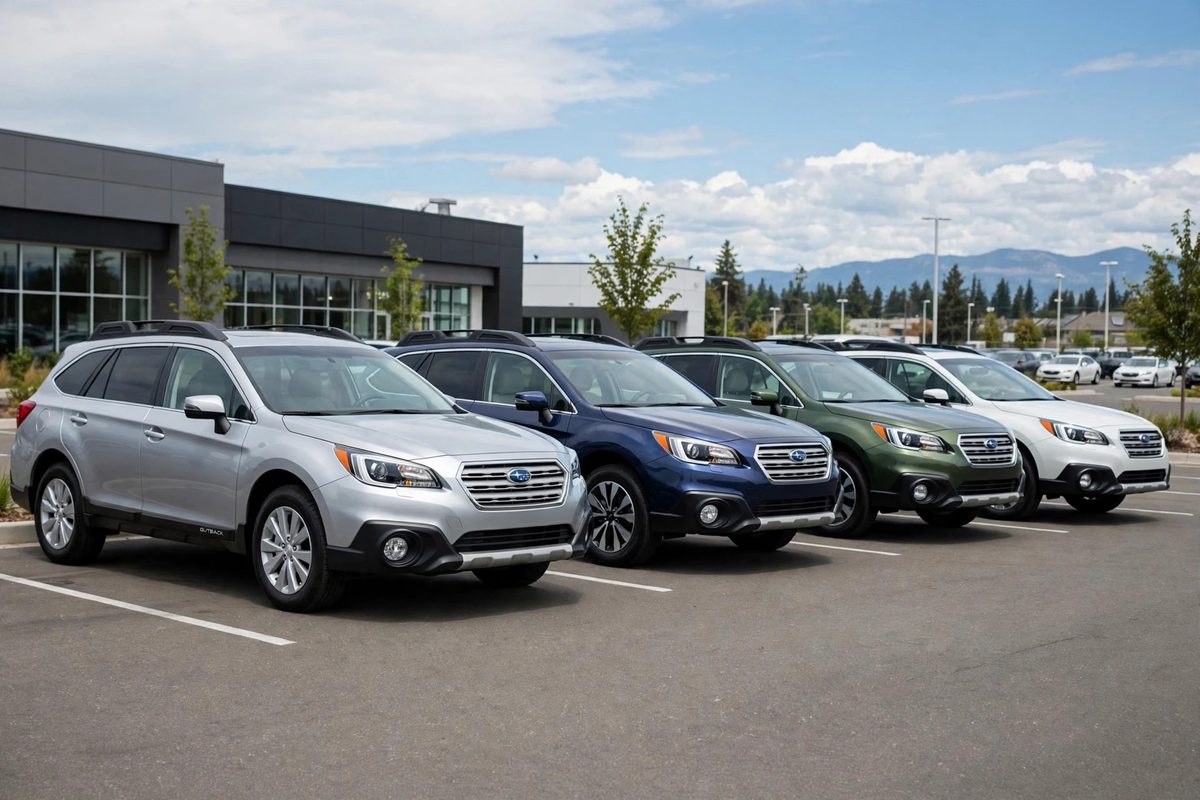
Subaru sold the 2016 Outback in four US trims, all with all-wheel drive and a CVT automatic. The table shows each trim's starting MSRP when new, excluding the $850 destination charge, alongside Kelley Blue Book's current Fair Purchase Price — the national average of what buyers pay at dealerships for typical-condition cars. Individual cars vary widely, so treat these as starting points.
| Trim | Starting MSRP when new | KBB Fair Purchase Price today |
|---|---|---|
| 2.5i | $24,995 | About $9,475 |
| 2.5i Premium | $27,395 | About $11,750 |
| 2.5i Limited | $30,395 | About $13,000 |
| 3.6R Limited | $33,395 | About $13,550 |
Two things stand out. First, the used market has nearly flattened the new-car price ladder: the gap between a used 2.5i and a used 3.6R Limited is roughly $4,000, against more than $8,000 when new, so the better-equipped cars are relatively good value used. Second, the Premium costs about $2,300 more than the base car used, which buys dual-zone climate control, a 10-way power driver's seat, and access to the EyeSight package. CARFAX lists an average asking price of $12,774, and Edmunds listings run from about $6,995 to $22,590. One naming note: PZEV versions cost $300 more when new and are mechanically identical, so do not pay a premium for the badge.
Engines, Performance and Real-World Driving
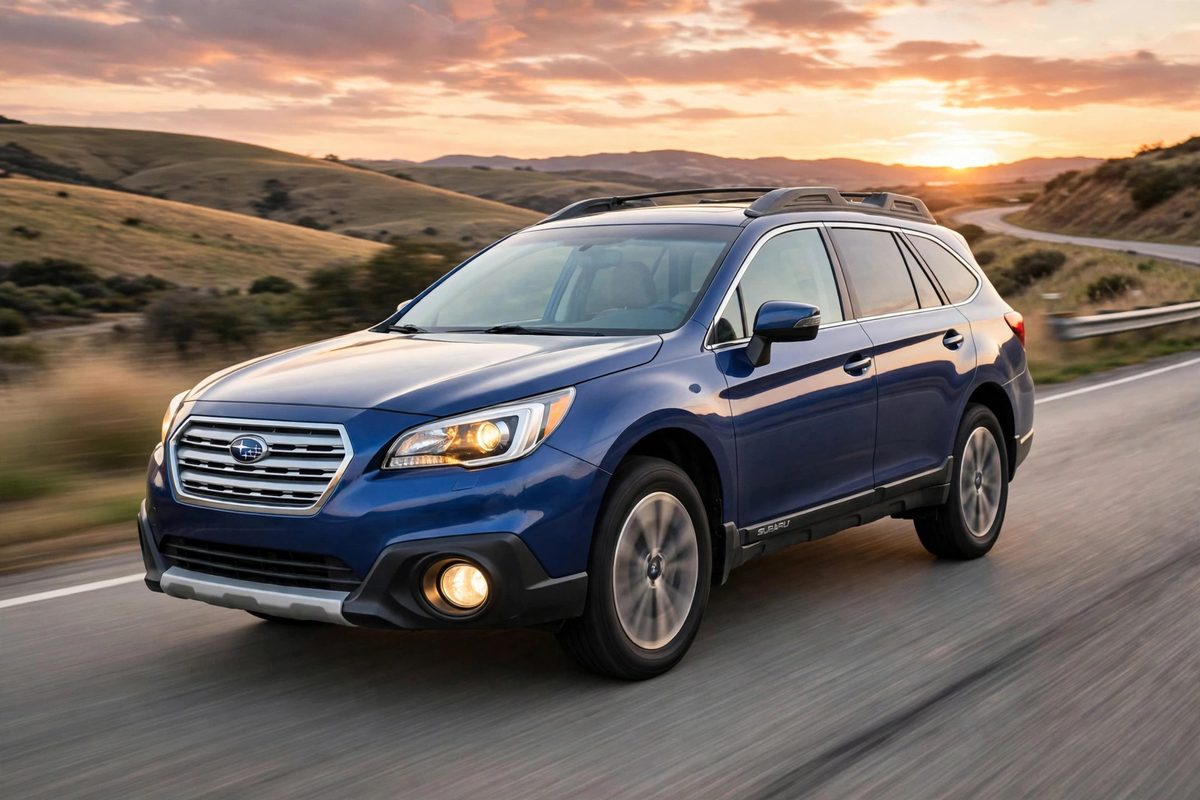
The standard 2.5-liter flat-four makes 175 horsepower and 174 lb-ft of torque and returns 25 mpg in the city, 33 on the highway, and 28 combined. It is the economical choice, but Edmunds lists lackluster acceleration from the base engine as the car's main weakness, and it works hard on steep grades with a full load. On Edmunds' mixed-driving 120-mile evaluation loop, a 2.5i Limited returned 28.9 mpg — slightly better than the EPA combined figure — so careful drivers can match or beat the official numbers.
The optional 3.6-liter flat-six makes 256 horsepower and 247 lb-ft of torque and changes the car's character: it pulls smoothly up highway grades where the four-cylinder strains, and owners report mixed-driving economy around 23 to 24 mpg. Economy drops to 20 city, 27 highway, and 22 combined, while towing rises from 2,700 to 3,000 pounds. Every 2016 Outback has standard all-wheel drive with X-Mode, hill descent control, and Active Torque Vectoring. With 8.7 inches of clearance, it is more capable off the pavement than most crossovers its size.
Interior, Cargo and Everyday Practicality
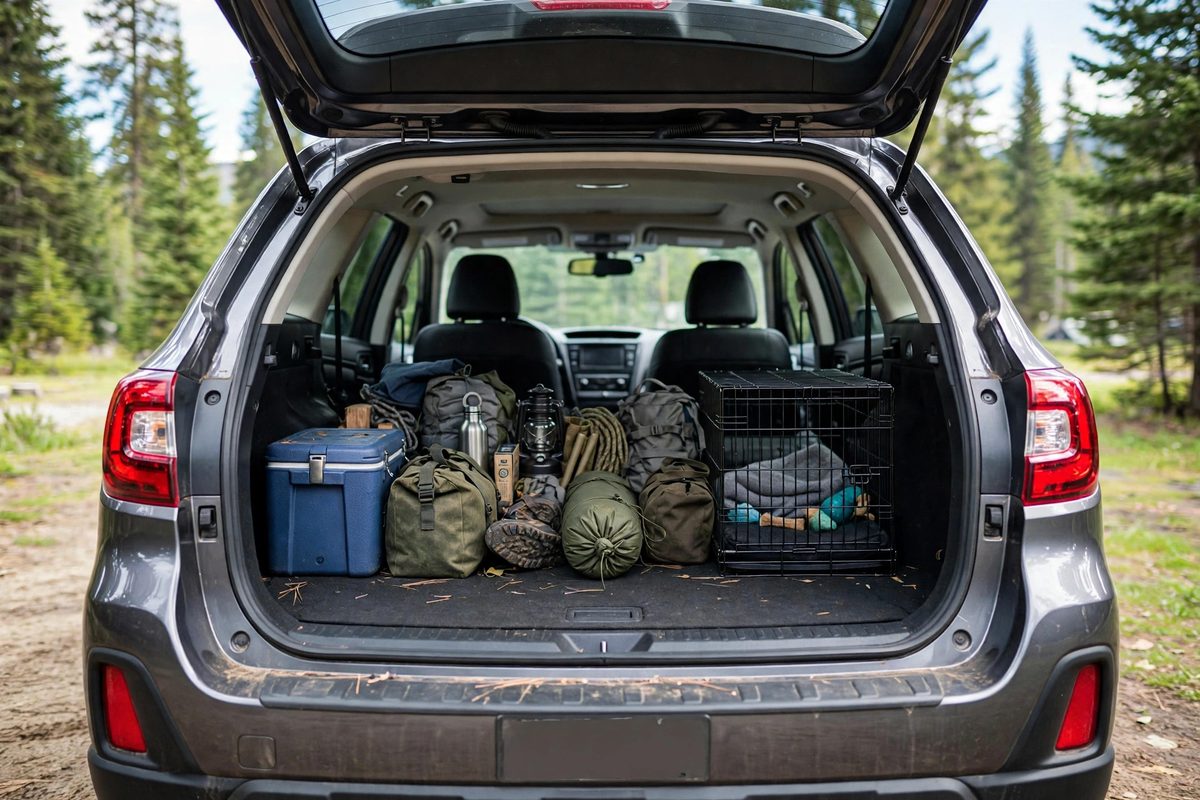
Inside, the 2016 Outback seats five in a cabin reviewers call a big step up from the previous generation: generous rear legroom, good headroom everywhere, and soft, sound-absorbing materials in place of hard plastics. Cargo space is a class strength at 35.5 cubic feet behind the rear seats and 73.3 with the 60/40-split seats folded, and levers in the cargo area drop the seatbacks without a walk around to the doors. Roof rails with integrated crossbars are standard on every trim. The base car gets a 6.2-inch touchscreen with Bluetooth and a backup camera; upper trims add a 7-inch screen with navigation, leather with faux-wood trim, heated rear seats, a power rear gate, and a 12-speaker Harman Kardon system on the Limited. One gap owners mention is the infotainment system, which some find slow to boot and occasionally glitchy.
Safety and Driver Assistance
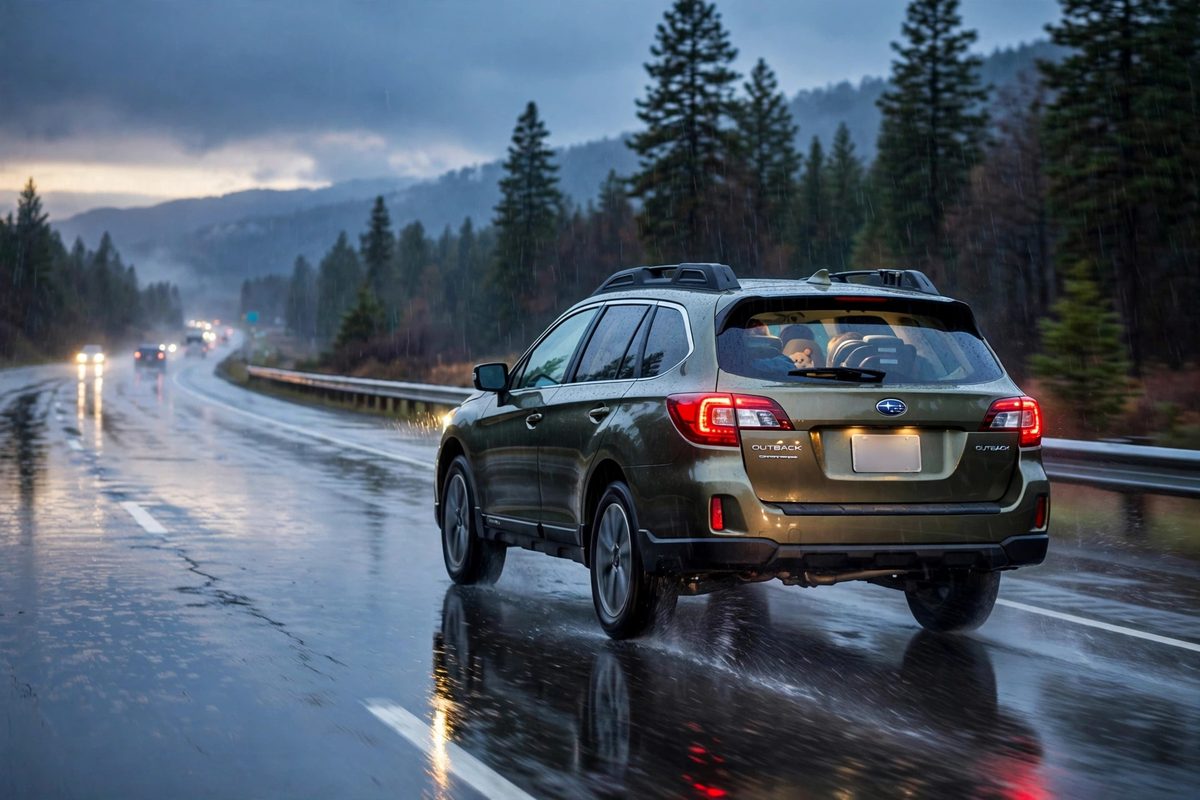
The 2016 Outback earned five out of five stars overall from NHTSA, with five-star scores in the frontal and side crash tests and a four-star rollover rating, and the IIHS gave it a Top Safety Pick+ award with the optional EyeSight system. EyeSight was not standard in 2016: it was a $1,695 option package on the Premium, bundled with blind-spot detection, rear cross-traffic alert, and a power rear gate, or part of a $3,090 package on the Limited with a moonroof, keyless access, and navigation. The system adds adaptive cruise control, pre-collision braking, lane-departure warning, and — new for 2016 — Lane Keep Assist. Blind-spot detection and rear cross-traffic alert are standard on Limited trims. EyeSight cars need a camera recalibration after a windshield replacement, so check whether the glass was replaced and the recalibration done.
Ownership Costs and What to Check Used
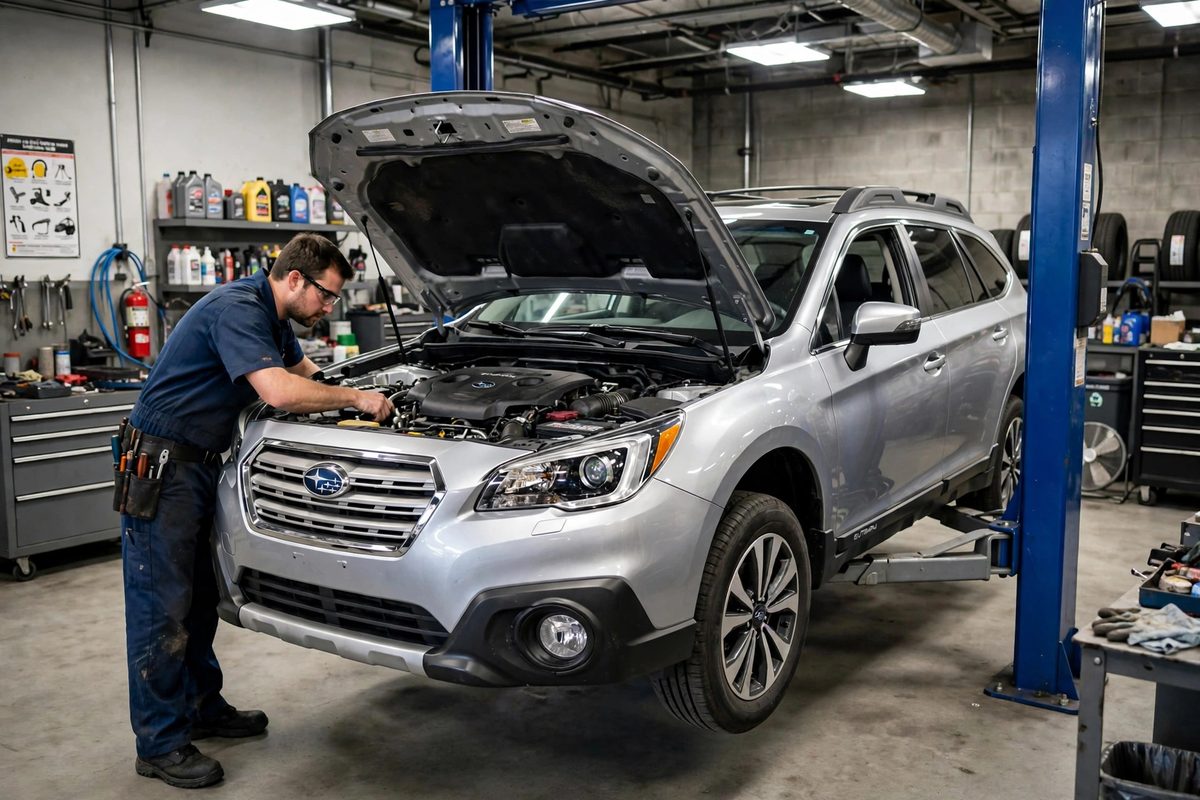
Kelley Blue Book's experts rate the 2016 Outback 4.4 out of 5, and its owners give it the same 4.4 across 270 ratings, while Edmunds owners average 4 out of 5 across 254 reviews — a strong result for a ten-year-old car. Running costs are reasonable, but a few reported patterns deserve attention. Owners report windshields cracking with no obvious impact, batteries draining while the car sits parked — a problem owners link to the Starlink data module drawing power — and occasional CVT hesitation or failure. The Center for Auto Safety lists five recalls for the model year, and NHTSA has received more than 640 owner complaints, so run the VIN through NHTSA's recall lookup and confirm every recall is closed. At this age, condition and maintenance history matter far more than trim level.
Before you buy a used 2016 Outback, check these items
- ✓Inspect the windshield for cracks, especially near the edges — EyeSight cars need a camera recalibration after glass work.
- ✓Test the CVT on a highway merge and a hill climb, watching for hesitation, shuddering, or warning lights.
- ✓Ask about the battery: owners report repeated dead batteries, so check its age and whether the car has sat unused.
- ✓Test the touchscreen, Bluetooth, and rear-view camera — owners report slow boot-up and blank screens.
- ✓Run the VIN through NHTSA's recall lookup and confirm all five recalls are closed.
- ✓Confirm EyeSight is fitted: it was a $1,695 option on Premium, not standard equipment.
- ✓Get a pre-purchase inspection covering the underbody, exhaust bellows, and CVT fluid.
Pros
- Second year of the fifth-generation redesign, with newer driver-assistance tech than the 2015.
- Standard all-wheel drive, X-Mode, and 8.7 inches of ground clearance.
- Big wagon cargo space: 35.5 cubic feet behind the seats, 73.3 folded.
- Five-star NHTSA rating and IIHS Top Safety Pick+ award with EyeSight.
- 2.5-liter returns 28 mpg combined, strong for an all-wheel-drive wagon.
Cons
- Reported owner problems: windshield cracks, battery drain, and occasional CVT trouble.
- Base 2.5-liter feels slow from a standing start, especially when loaded.
- EyeSight was optional, not standard, and costs extra to find used.
- CVT only — no manual transmission was offered.
- Used prices vary widely, so a cheap listing can hide expensive needs.
Frequently Asked Questions
How much does a used 2016 Subaru Outback cost?▾
Kelley Blue Book puts Fair Purchase Prices between about $9,475 for the 2.5i and about $13,550 for the 3.6R Limited, while CARFAX lists an average asking price of $12,774. Edmunds listings run from about $6,995 to $22,590.
What is the MPG of the 2016 Subaru Outback?▾
The 2.5-liter is rated at 25 mpg city, 33 highway, and 28 combined; the 3.6-liter at 20 city, 27 highway, and 22 combined. Edmunds recorded 28.9 mpg from a 2.5i Limited on its mixed-driving loop.
Is the 2016 Subaru Outback reliable?▾
KBB experts rate it 4.4 out of 5 and Edmunds owners give it 4 out of 5 across 254 reviews. Owners report windshield cracks, battery drain, and occasional CVT trouble — check the service history, confirm recalls are closed, and get a pre-purchase inspection.
Does the 2016 Outback have EyeSight?▾
EyeSight was optional, not standard. It was a $1,695 package on the Premium and part of a $3,090 package on the Limited. For 2016 it added Lane Keep Assist alongside adaptive cruise control, pre-collision braking, and lane-departure warning.
How much can the 2016 Outback tow?▾
Up to 2,700 pounds with the 2.5-liter and up to 3,000 pounds with the 3.6-liter. If you tow regularly, the 3.6R Limited is the right choice.
The Bottom Line
Buy the 2016 Subaru Outback if you want the refined second year of the fifth-generation car with standard all-wheel drive, genuine wagon practicality, and top safety ratings. The 2.5i Premium with the EyeSight package is the sweet spot for most buyers, while the 3.6R Limited is the one to choose for effortless highway power and the higher towing limit. Check the windshield, battery, CVT, and recall history, and you will get a capable, comfortable wagon for roughly the price of a used compact sedan.
Prices and specifications in this guide reflect Kelley Blue Book, CARFAX, Edmunds, The Car Connection, and Subaru figures checked in November 2026; used prices change with mileage, condition, and location. Confirm any car's history, recall status, and condition with an independent inspection before buying.
Continue researching the Outback
- The Honest Guide to Buying a Used Subaru Outback
- 2015 Subaru Outback: Prices, Trims, MPG and Used Buying Guide
- 2014 Subaru Outback: Prices, Trims, MPG and Used Buying Guide
- Subaru Outback Buying Guide: Trims, Prices and What to Know
- Subaru Outback Model Years: Which Year Is Best?
- 2026 Subaru Outback Review: Prices, Trims and MPG
- Subaru Outback Years to Avoid: Worst Years & Best Bets
- 2017 Subaru Outback: Prices, MPG, Recalls & Buying Guide
Sources
- Subaru U.S. Media Center: Subaru Announces Pricing for 2016 Legacy and Outback
- Kelley Blue Book: 2016 Subaru Outback Price, Value and Reviews
- CARFAX: 2016 Subaru Outback Review and Values
- Edmunds: 2016 Subaru Outback Review
- The Car Connection: 2016 Subaru Outback Specifications
- Center for Auto Safety: 2016 Subaru Outback Recalls and Complaints
- SlashGear: The Most Common Problems With the Subaru Outback (According to Owners)
A note on prices
Prices, trims, MPG figures and safety ratings change over time. Treat the figures here as a starting point and confirm the details with a dealer or the manufacturer's site before you buy.
Continue reading