Buying Guide · 9 min read
Subaru Outback Model Years: Every Generation Compared
Every Outback generation from 1995 to the 2026 redesign — which years to buy, which to check carefully, and where the value is.
By Elena Marsh · · Updated
The short answer: buy a 2020 or newer Outback if you want the most car for the money, buy the 2026 if you are buying new, and buy a 2015 to 2019 car if the budget is tight. The 2010 to 2014 cars are the value pick for patient buyers, and anything from 1995 to 2009 is cheap for a reason — usually head gaskets. The Outback has now run through seven generations over thirty years, and this guide compares all of them: what changed, what to watch for, and which year fits which buyer.
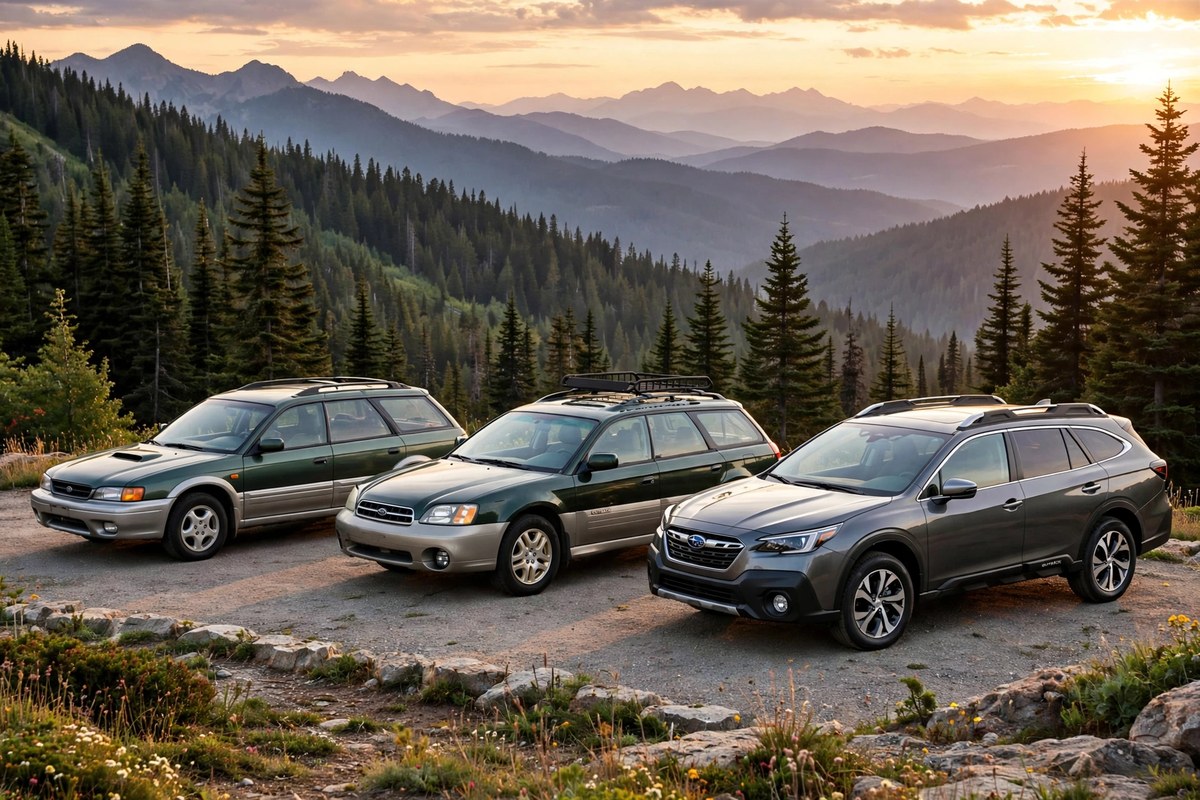
Seven Generations at a Glance
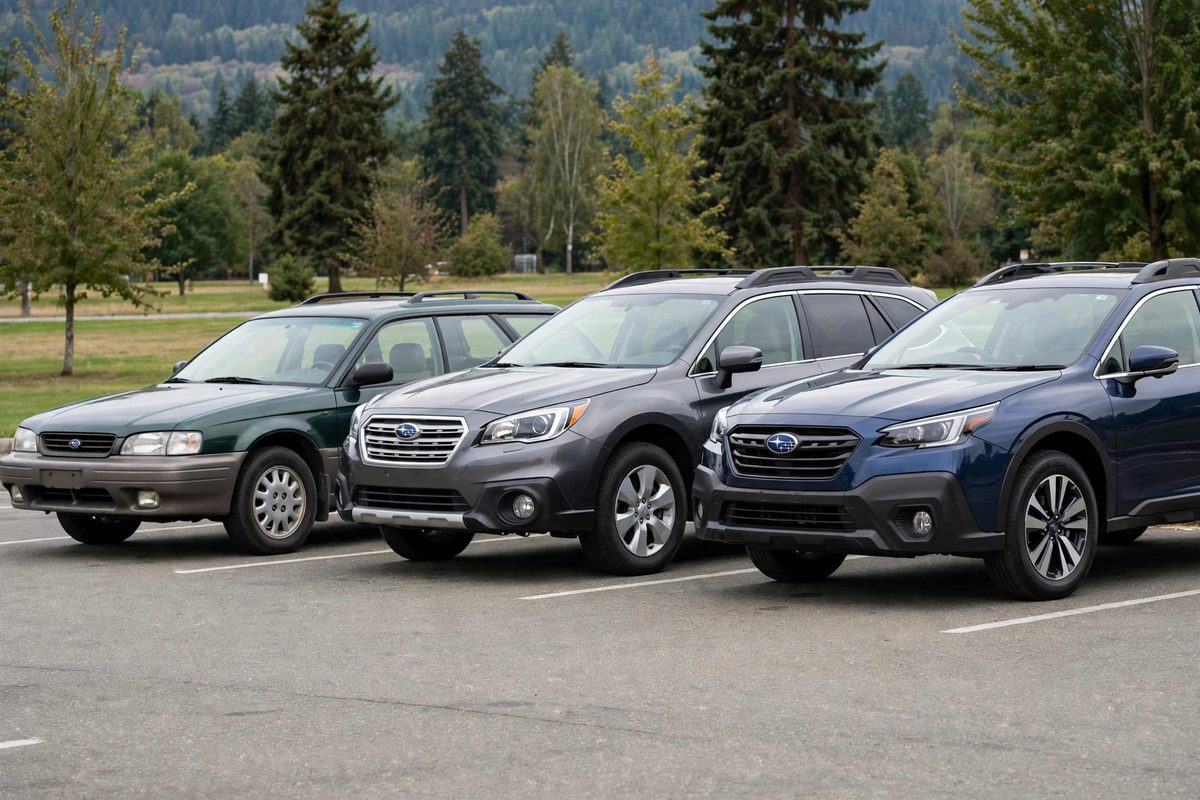
The Outback started in 1995 as a taller, tougher version of the Legacy wagon, and it has been Subaru's best-selling car in America for much of its life. Seven generations span 1995 to today, and the car changed character twice: first when it became a standalone model rather than a Legacy trim, and again with the 2020 redesign that made it bigger, quieter and far more modern. The table below is the whole story in one place.
| Generation | Years | What defines it |
|---|---|---|
| First | 1995–1999 | The original rugged Legacy wagon |
| Second | 2000–2004 | Bigger, more wagon than car |
| Third | 2005–2009 | More refined, still simple |
| Fourth | 2010–2014 | The value pick — check head gaskets |
| Fifth | 2015–2019 | The refined middle, EyeSight arrives |
| Sixth | 2020–2025 | The modern Outback, EyeSight standard |
| Seventh | 2026– | Full redesign, new screens, Wilderness leads |
2010–2014: The Value Pick
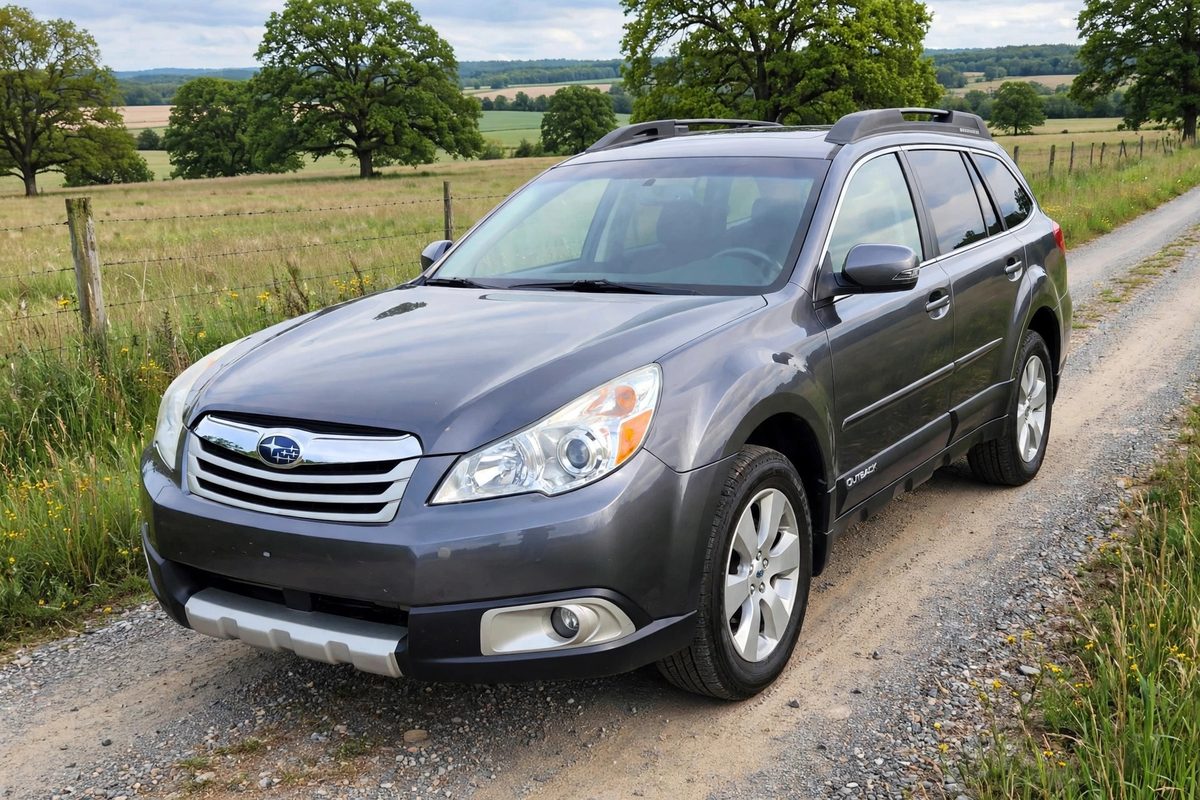
The fourth generation is the cheapest way into a modern-feeling Outback, and that is its whole appeal. These cars are roomy, comfortable and simple, with a 2.5-liter engine and an available 3.6-liter six-cylinder for buyers who want more power. Subaru replaced the old EJ-series 2.5 with the FB-series engine for 2013, which makes the 2013 and 2014 cars the ones to aim for: the classic external head gasket leak that haunts the earlier cars largely went away with the engine change.
On a 2010 to 2012 car, the head gasket check is the whole purchase decision. Look for coolant residue at the gasket line, ask about coolant loss, and get a mechanic to look before you buy — a head gasket job costs more than these cars are often worth. The 3.6R six-cylinder is the sleeper pick of this generation: stronger, smoother, and more expensive to fuel, but a genuinely nice engine in a car that costs very little now. Either way, these are the cars for buyers who want an Outback for the price of a used compact.
2015–2019: The Refined Middle
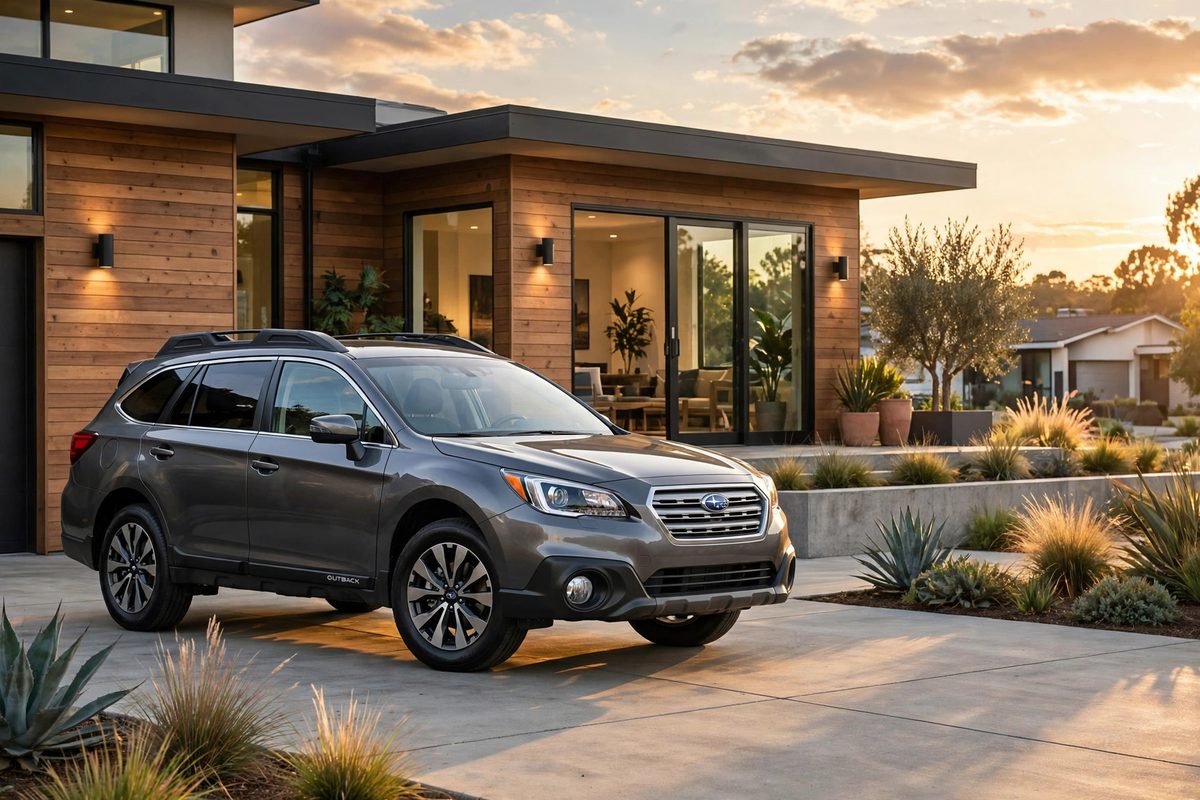
The fifth generation is where the Outback grew up. It is quieter, more refined and better equipped than the fourth generation, with EyeSight driver assistance available and increasingly standard on higher trims, a more modern interior, and the same practical wagon shape. The 2.5-liter and the 3.6-liter six-cylinder both carried over, so the choice is the same as before: economy or smoothness.
The watch item for these years is oil consumption on some 2011 to 2017 engines — the 2015 to 2017 cars overlap that range. Check the dipstick, ask about top-ups, and read the service history before you buy. A 2018 or 2019 car sidesteps the issue entirely and is the pick of this generation: late enough to avoid the oil problem, new enough to feel modern, and old enough to be genuinely affordable. A well-kept 2019 is one of the best used-car buys in the whole Outback lineup.
2020–2025: The Modern Outback
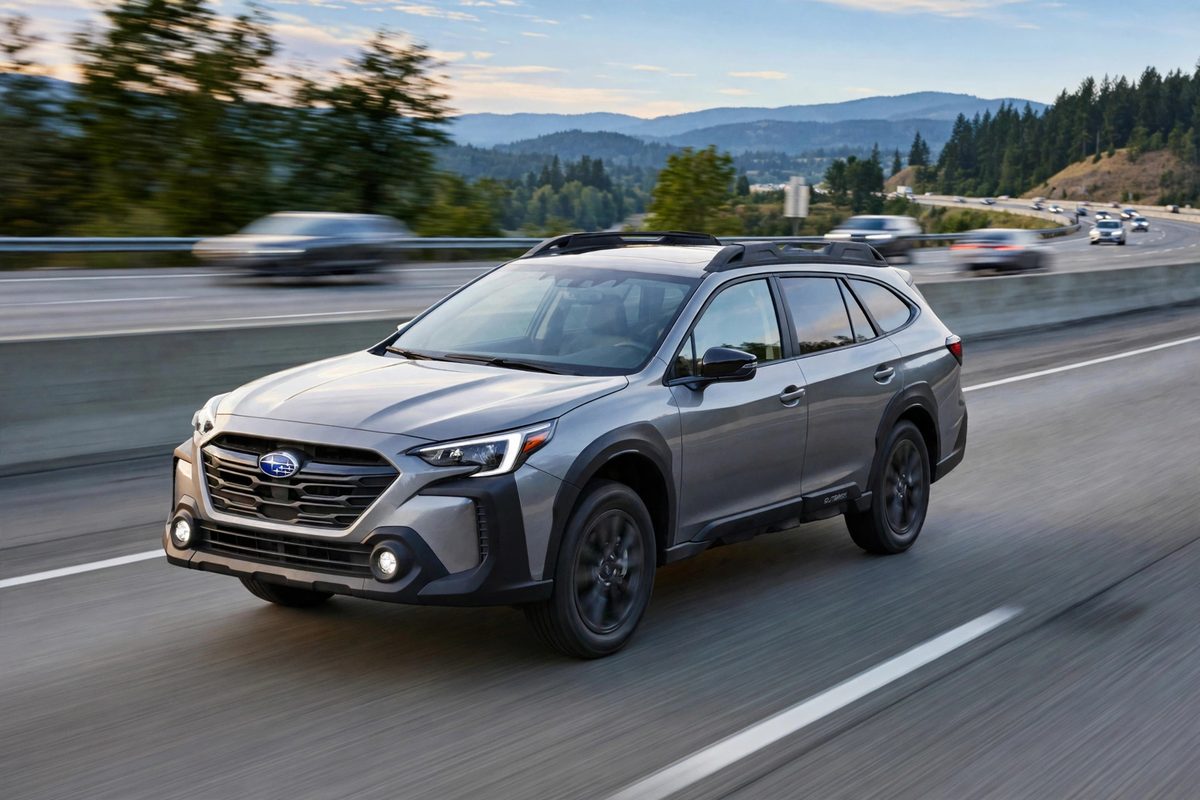
The sixth generation is the modern Outback, and it is the sweet spot for used buyers. EyeSight is standard across the range, the body is bigger and quieter, and the engines are the 2.5-liter with 182 horsepower and the 2.4-liter turbo with 260. The 11.6-inch touchscreen is the weak point — slow to respond and in charge of too many functions — but it is a livable flaw in an otherwise complete car.
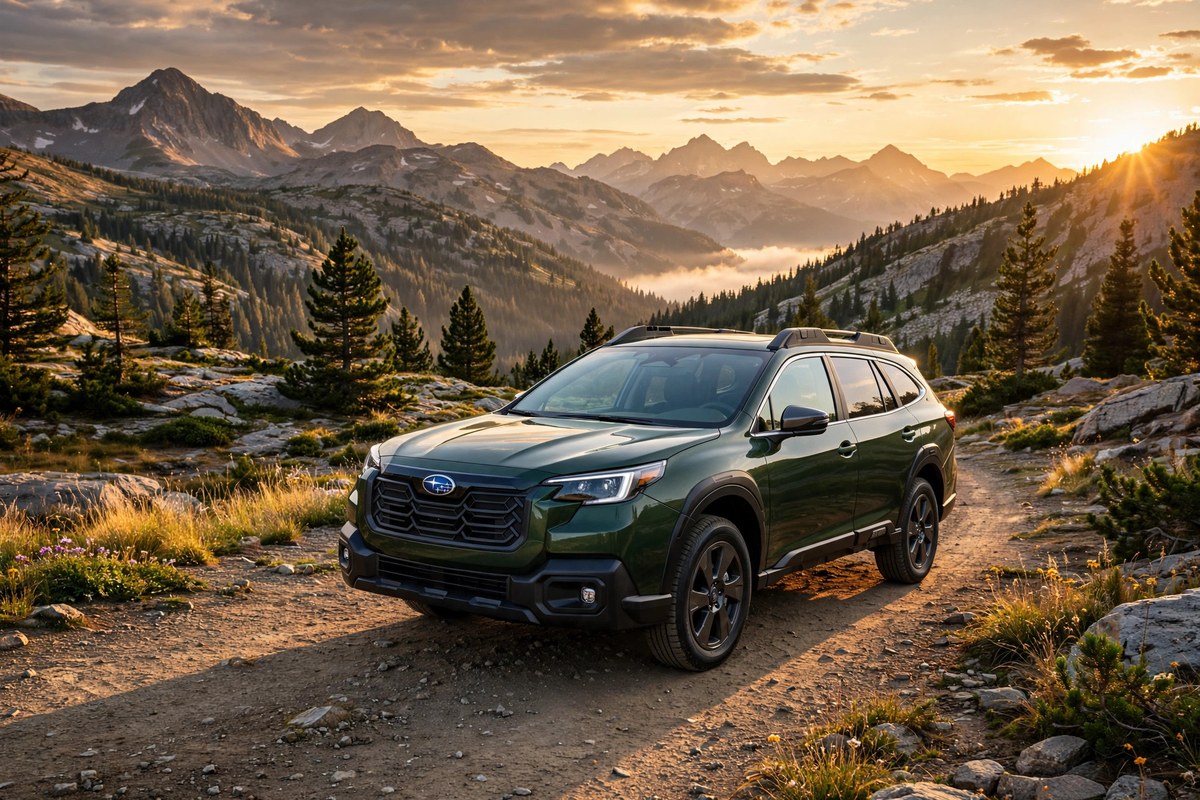
The Wilderness arrived for 2022 and changed the range: 9.5 inches of clearance, all-terrain tires and real off-road hardware in a car that still works as a daily driver. A 2022 or newer Wilderness is the off-road pick for used buyers, and a 2023 to 2025 Premium or Limited is the pick for everyone else. These cars have most of the depreciation already paid, all of the modern safety equipment, and none of the old problems — head gaskets and oil consumption are both behind them.
2026: The Seventh Generation
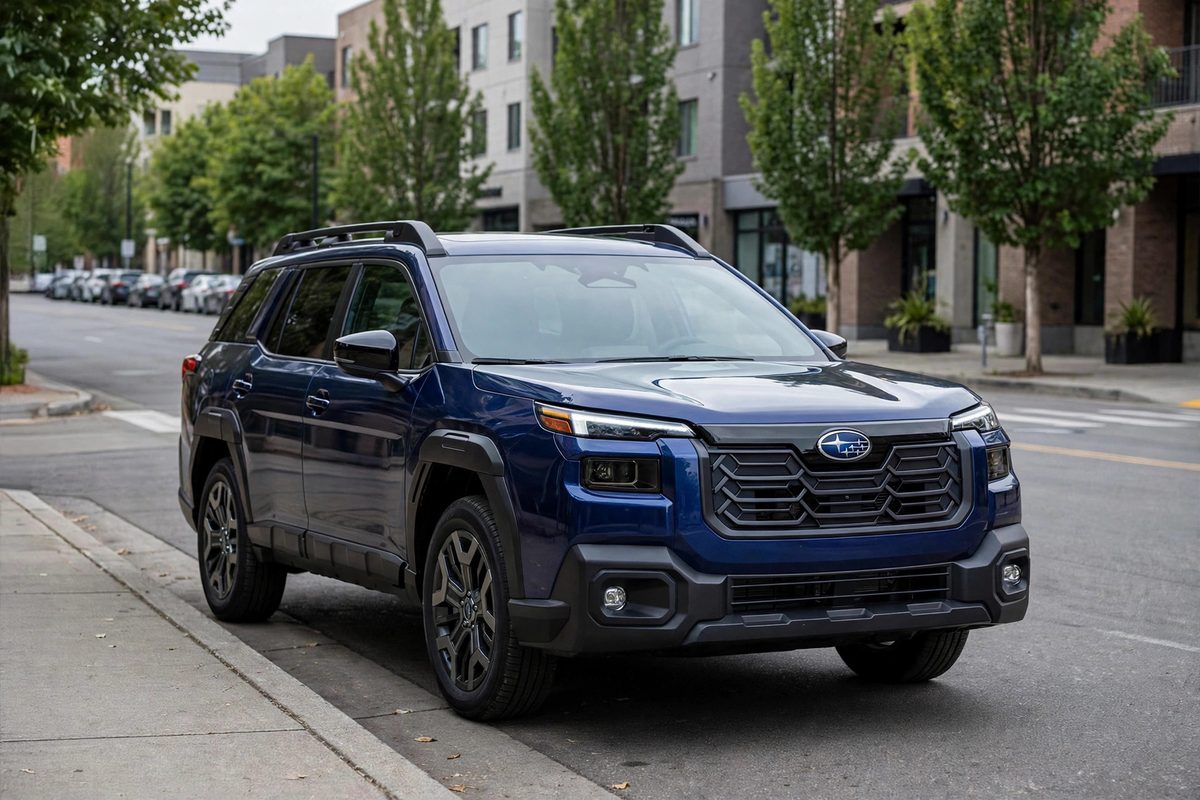
The 2026 car is a full redesign — the seventh generation — and it is the most complete Outback yet. The body is boxier, with 34.6 cubic feet of cargo behind the seats and 80.5 with them folded, and passenger volume of 112.3 cubic feet, the most of any Outback. The 12.1-inch touchscreen is faster than the old 11.6-inch unit, physical climate controls are back as real knobs, and a 12.3-inch digital instrument cluster is standard. The setup won the car a place on the Wards 10 Best Interiors & UX list for 2026.
Prices run from $34,995 for the Premium to $47,995 for the Touring XT, plus $1,450 destination. The 2.5-liter makes 180 horsepower and 27 mpg combined; the turbo makes 260 and returns 24 combined in the XT trims, 23 in the Wilderness, which starts at $44,995 with 9.5 inches of clearance and the full off-road package. Buy the 2026 if you are buying new — it is better than the car it replaces in almost every way. Buy a 2023 to 2025 car if you want the same shape for much less money.
The First Three Generations: 1995–2009
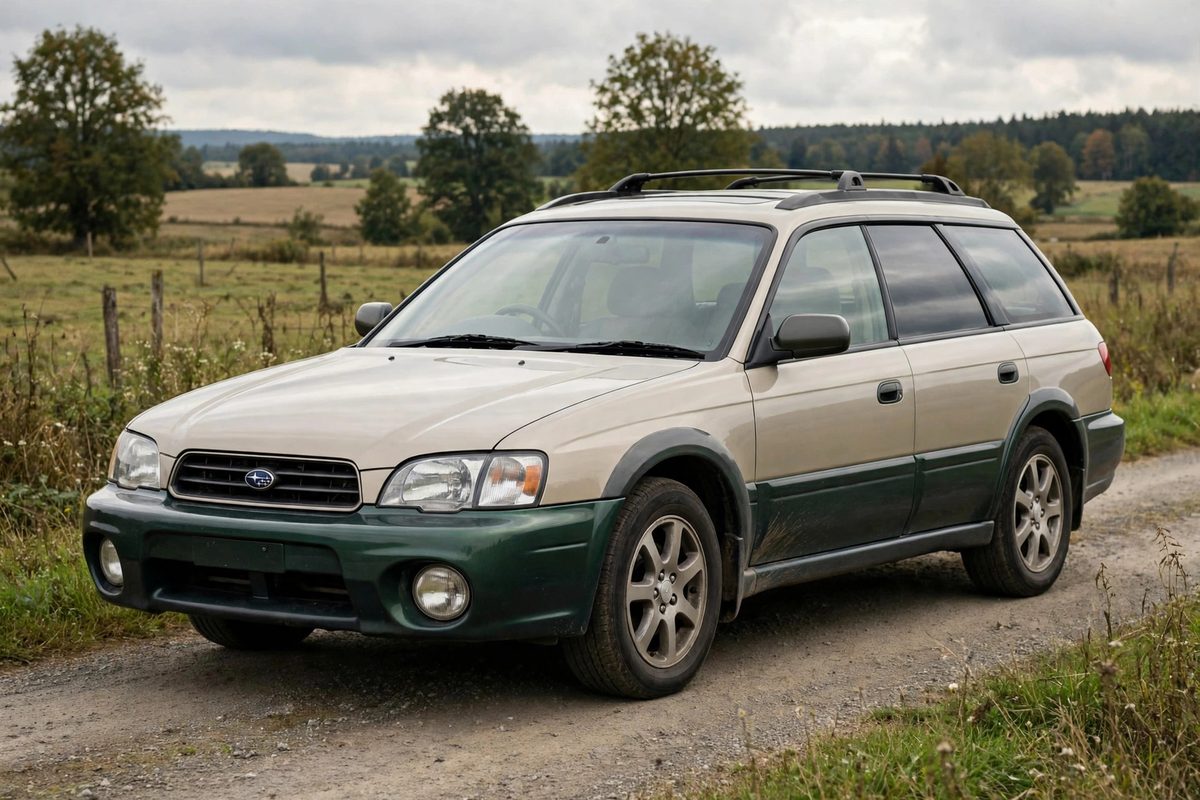
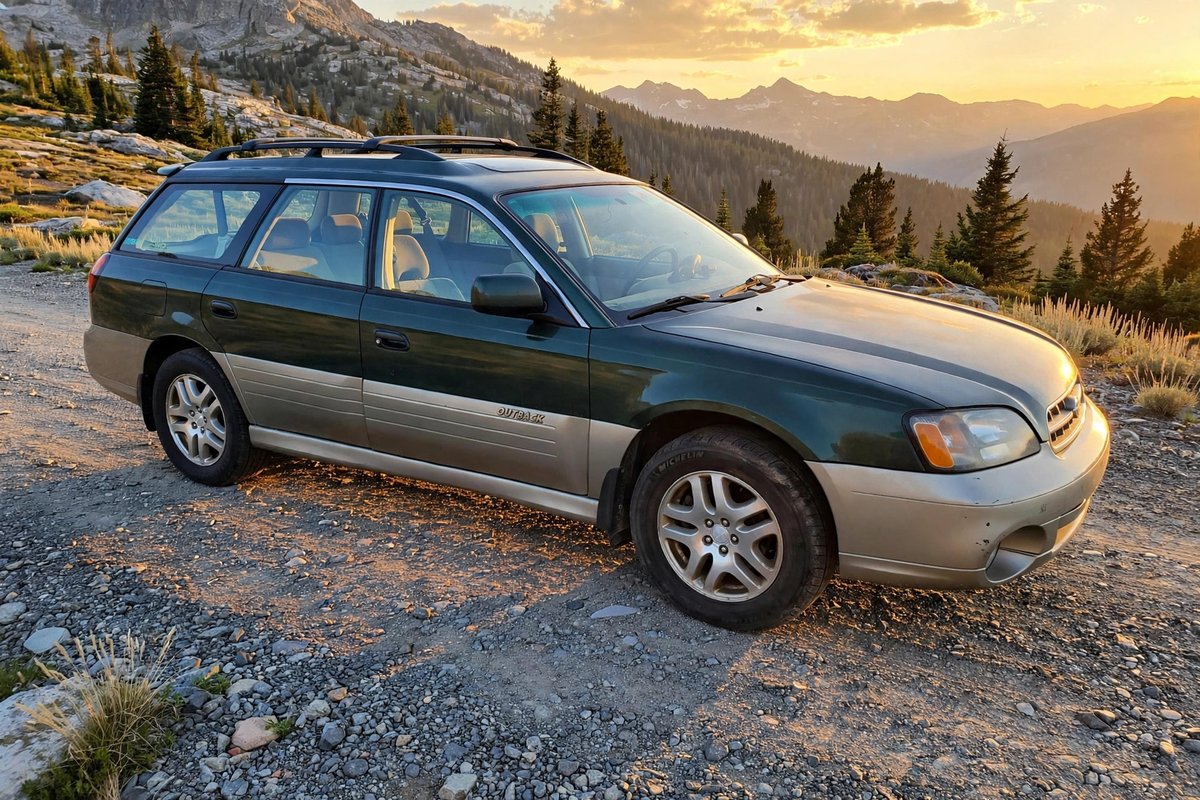
The first Outback arrived in 1995 as a Legacy wagon with a lift, cladding and a marketing idea that turned out to be right: a wagon that could go anywhere. The second generation (2000 to 2004) made it bigger and more of a standalone model, and the third (2005 to 2009) made it more refined without losing the formula. All three share the traits that built the name: standard all-wheel drive, a boxer engine, and a wagon body that carries more than it looks like it should.
These cars are cheap now — often very cheap — and that is the trap. The head gasket problem belongs to this era, and a pre-2010 car that has not had the work done is a repair bill waiting to happen. Buy one only after a proper inspection, or buy one cheap enough that the repair is already priced in. For most buyers, the first three generations are history to appreciate, not cars to shop for.
What the Generations Share
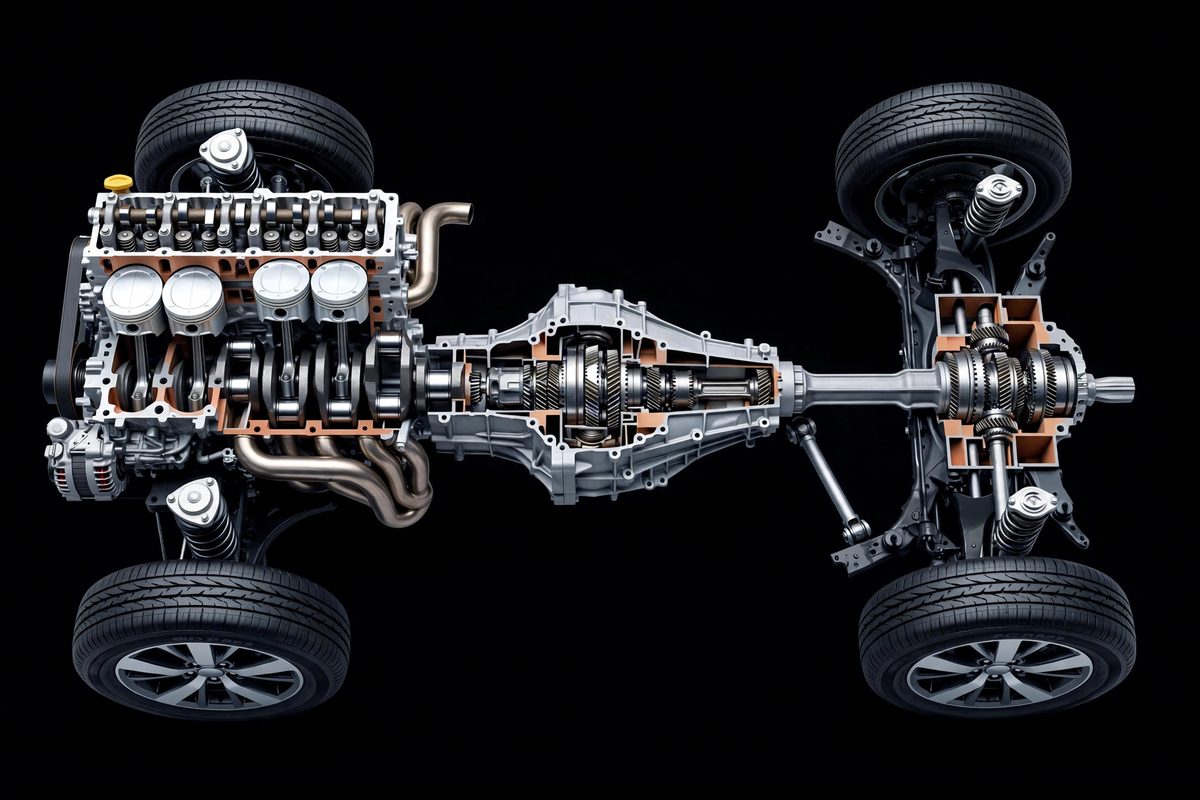
Thirty years and seven generations, and the formula has barely changed. All-wheel drive has been standard on every Outback since 1995. Every one has had a boxer engine — flat, low, and part of why the car handles the way it does. Every one has been a wagon first, with the long roof and the flat load floor that make it more useful than an SUV of the same footprint. And every generation has had the same reputation: a car that lasts, driven by people who keep them for a very long time.
What changed is everything around the formula: safety equipment that went from optional to standard, screens that went from none to two, and an interior that went from durable plastic to a Wards award winner. The Outback did not change what it is. It changed how well it does it.
Which Model Year Should You Buy?
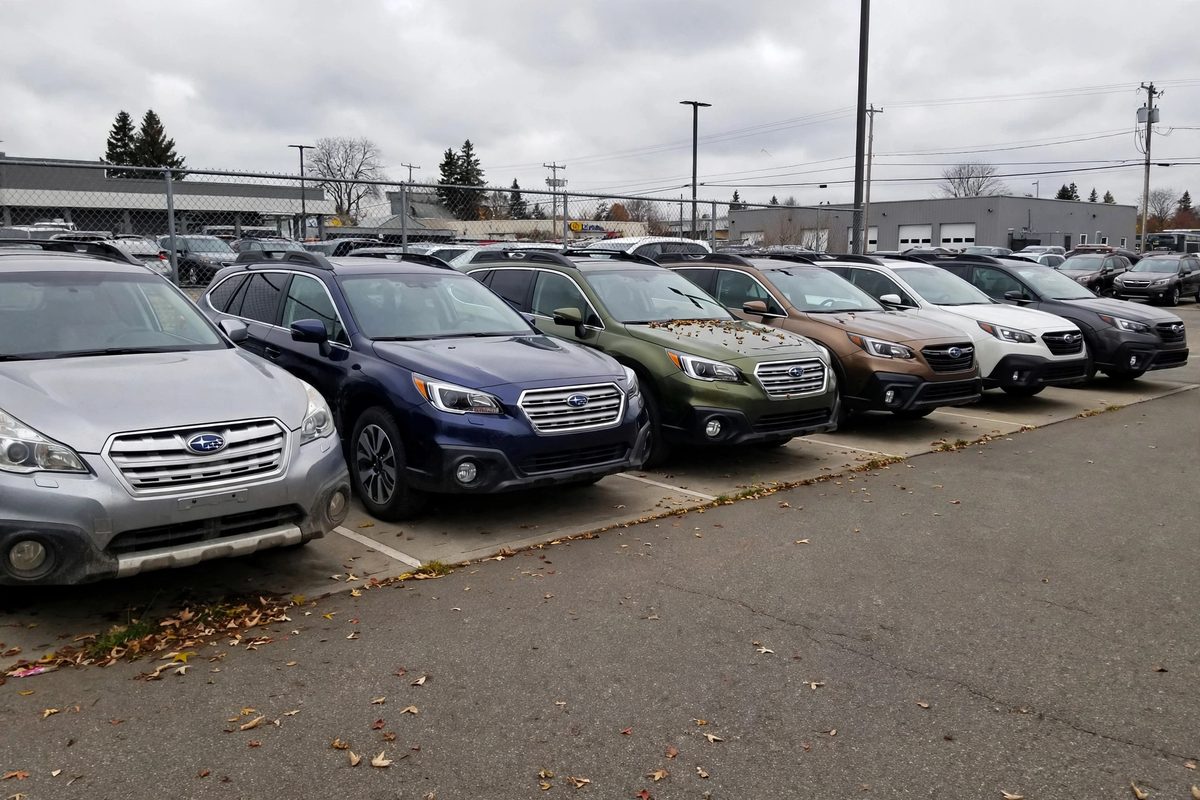
Buying new: get the 2026. It is the best Outback ever built, and the redesign is a genuine step forward rather than a refresh. Buying used with a healthy budget: get a 2020 or newer car, ideally 2022 or newer for the Wilderness or 2023 to 2025 for the best value. Buying used on a tighter budget: get a 2018 or 2019 car, which sidesteps the oil consumption years and still feels modern. Buying used on a small budget: get a 2013 or 2014 car, after a head gasket check — or a 2010 to 2012 car only if the gaskets have been done and the price reflects the risk.
Whichever year you choose, the same three steps apply: pull a vehicle history report by VIN, check for open recalls on the NHTSA website, and pay for a pre-purchase inspection. The model year sets the odds. The inspection is what actually protects you.
The Bottom Line
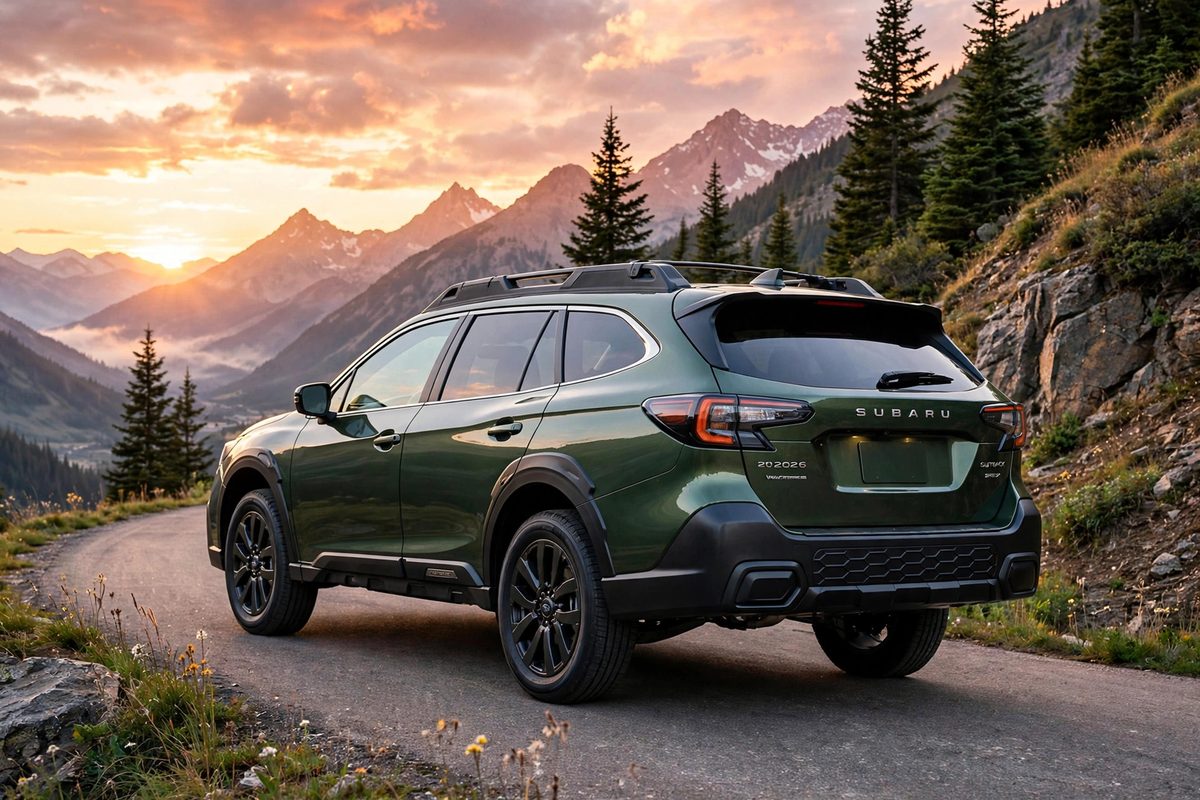
The Outback's history is a straight line: the same wagon, the same all-wheel drive, getting better every generation. The years to buy are 2020 and newer, the years to check carefully are 2010 to 2017, and the year to buy new is 2026. Pick your year by your budget, check it properly, and the car will do the rest — it has been doing it for thirty years.
What is the best Subaru Outback model year to buy?▾
For most buyers, 2020 or newer — current platform, standard EyeSight, and none of the old problems. A 2023 to 2025 car is the best value in that range, and a 2022 or newer Wilderness is the off-road pick. If you are buying new, the 2026 redesign is the best Outback ever built.
What Outback years should I avoid?▾
No year is a definite avoid, but be careful with pre-2010 cars (head gaskets) and check 2011 to 2017 cars for oil consumption. A thorough pre-purchase inspection matters more than the model year — a well-kept 2012 can be a better buy than a neglected 2020.
When did EyeSight become standard on the Outback?▾
EyeSight is standard on all 2020 and newer Outbacks. On 2015 to 2019 cars it was available and increasingly standard on higher trims, so check the specific car rather than assuming it is equipped.
Is the 2026 Outback worth it over a 2025?▾
Yes, if you are buying new. The 2026 is a full redesign with a boxier body, more cargo space, a faster 12.1-inch touchscreen with physical climate controls, a 12.3-inch digital cluster, and a Wards 10 Best Interiors award. A used 2023 to 2025 car is the better buy if the budget is tight.
How many generations of Outback are there?▾
Seven. The first ran from 1995 to 1999, the second 2000 to 2004, the third 2005 to 2009, the fourth 2010 to 2014, the fifth 2015 to 2019, the sixth 2020 to 2025, and the seventh started with the 2026 redesign.
Keep researching your Outback
- 2025 Subaru Outback: The Last Wagon-Shaped Year
- 2023 Subaru Outback: Facelifted Gen-6 Sweet Spot
- 2020 Subaru Outback: Sixth-Gen Debut, New Turbo
- 2019 Subaru Outback: Last Flat-Six, Final Gen-5
- 2017 Subaru Outback for Sale: Prices, Trims & Buying Guide
- 2015 Subaru Outback: Fifth-Gen Redesign Debut
- 2012 Subaru Outback: Last Before the FB Engine
- 2010 Subaru Outback: Fourth-Gen Redesign Debut
- Subaru Outback Buying Guide: Trims, Prices & Tips
- Subaru Outback vs Rivals: RAV4, CR-V, Forester & More
- Subaru Outback Common Problems: What Goes Wrong?
- The Honest Guide to Buying a Used Subaru Outback
- Subaru Outback pricing and specs — Kelley Blue Book
- Subaru Outback Sport: The Impreza Wagon Explained
- Subaru Outback Trim Levels: 2026 Prices & Guide
Sources
- Subaru Outback — Wikipedia
- Subaru Outback pricing and specs — Kelley Blue Book
- Subaru Outback overview — TrueCar
- Check for recalls by VIN — NHTSA
- Subaru Outback reliability by year — Car Lifespan Check
- Best years for the Subaru Outback — CarBuzz
- Subaru Outback values by year — ForCar.org
- Subaru sells its three-millionth Outback — Subaru U.S. Media Center
A note on prices
Prices, trims, MPG figures and safety ratings change over time. Treat the figures here as a starting point and confirm the details with a dealer or the manufacturer's site before you buy.
Continue reading