Buying Guide · 10 min read
2024 Subaru Outback: Near-End of the Wagon Era
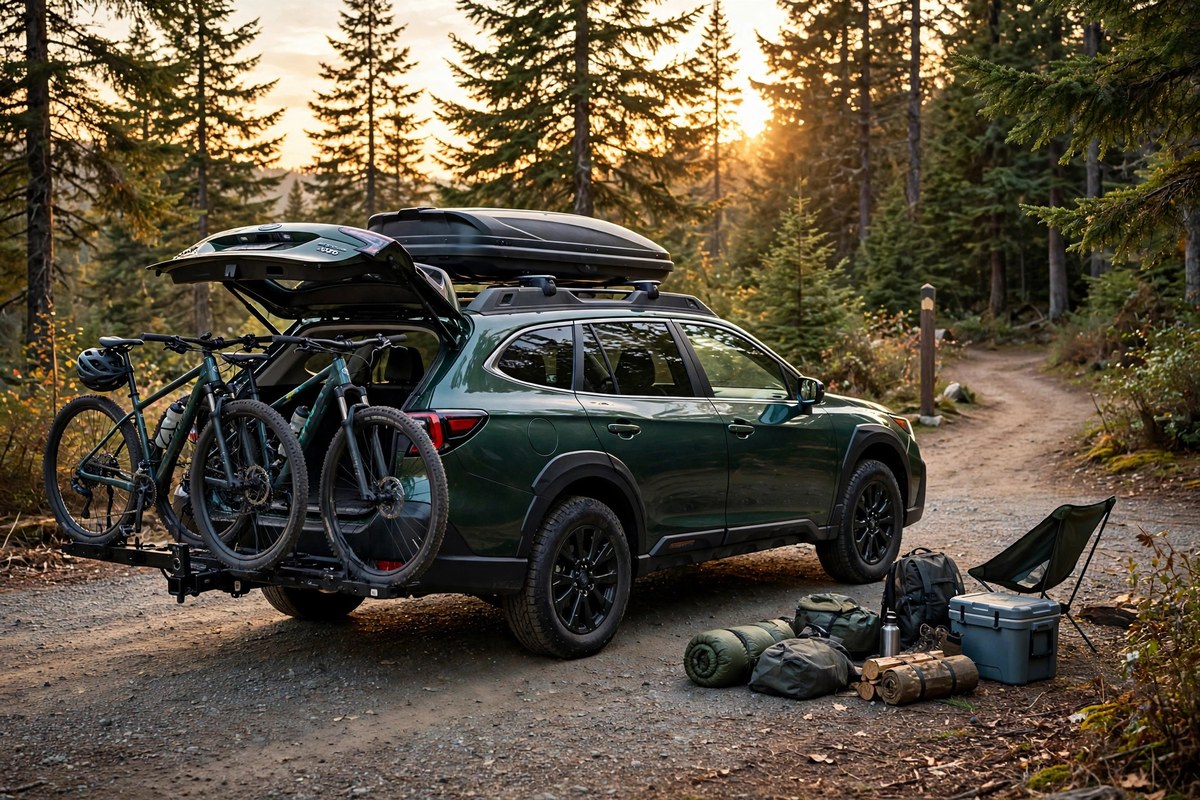
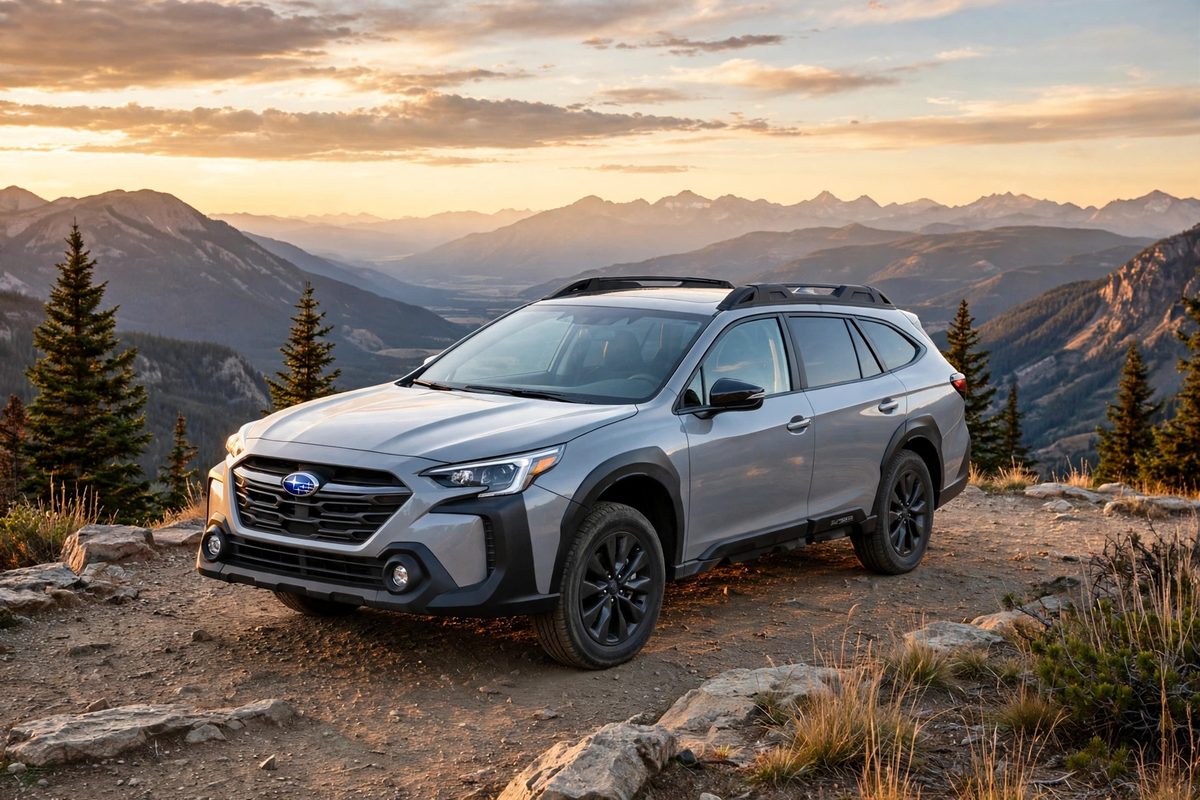
Near the end of the sixth-generation wagon before the 2026 SUV shape — familiar tall glass and physical climate controls, Wilderness updated to the facelift.
By Elena Marsh · · Updated
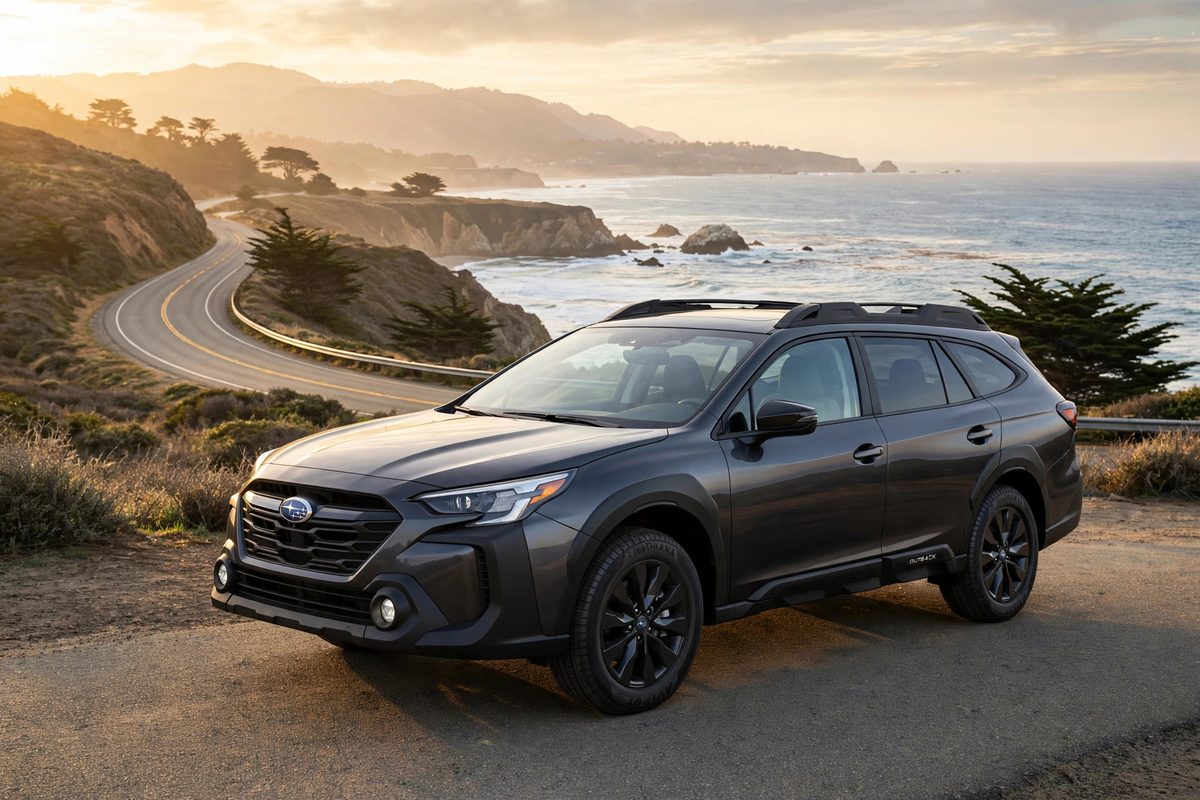
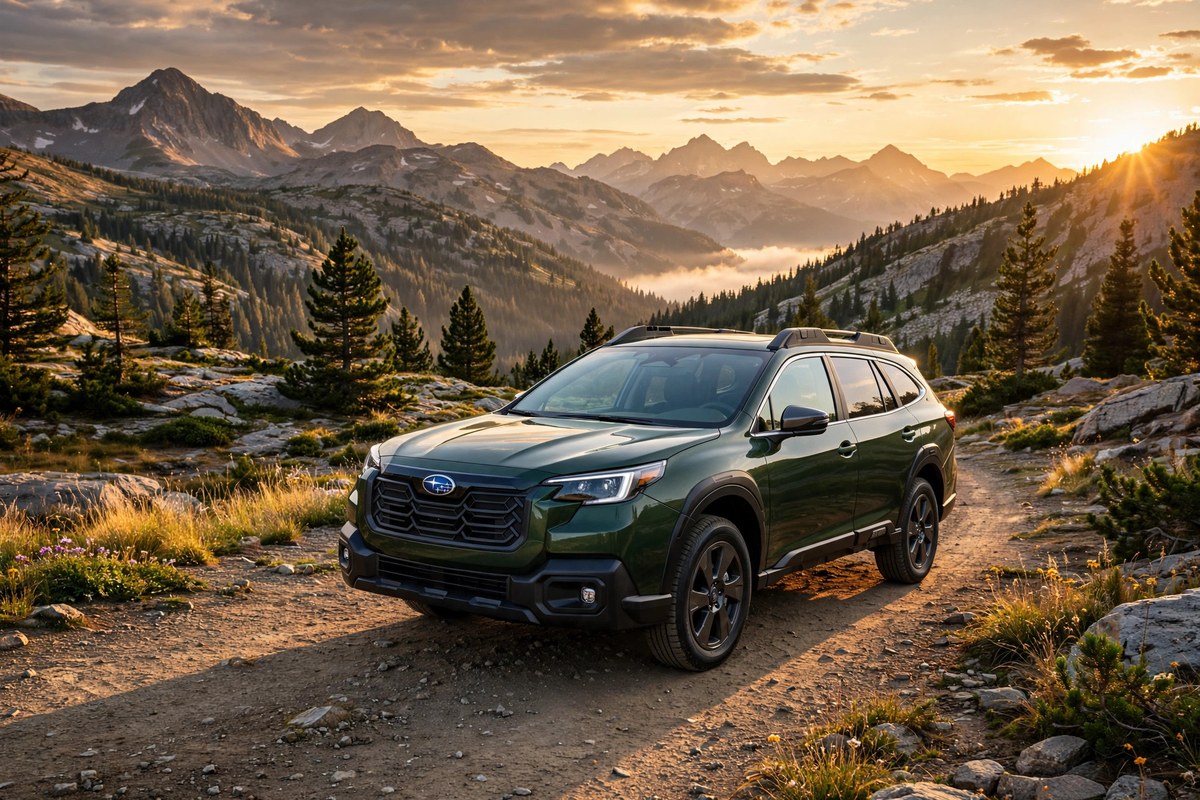
The 2024 Subaru Outback is best bought today as a used wagon, not as a new car. It is a sixth-generation Outback with standard Symmetrical All-Wheel Drive, seating for five, and a choice of a fuel-efficient 2.5-liter engine or a stronger 2.4-liter turbo. When new, prices ranged from $30,657 to $44,140. As a used car, typical dealer prices now run from about $21,700 for a base wagon to about $29,500 for a Wilderness, depending on mileage and condition.
2024 Subaru Outback at a Glance
| What to know | 2024 Outback |
|---|---|
| Original price range | $30,657 to $44,140 when new |
| Typical used price today | About $21,700 to $29,500, by trim and condition |
| Engines | 2.5-liter, 182 hp; 2.4-liter turbo, 260 hp |
| Fuel economy | 28 mpg combined (2.5-liter); 25 mpg (turbo); 23 mpg (Wilderness) |
| Towing | 2,700 pounds (2.5-liter); 3,500 pounds (turbo) |
| Cargo | 32.6 cubic feet behind rear seats; 75.6 folded |
| Ground clearance | 8.7 inches; 9.5 inches for Wilderness |
| Safety | IIHS Top Safety Pick; NHTSA five-star overall |
| Warranty when new | 3 years/36,000 miles basic; 5 years/60,000 miles powertrain |
What Is New for 2024, and Why It Matters
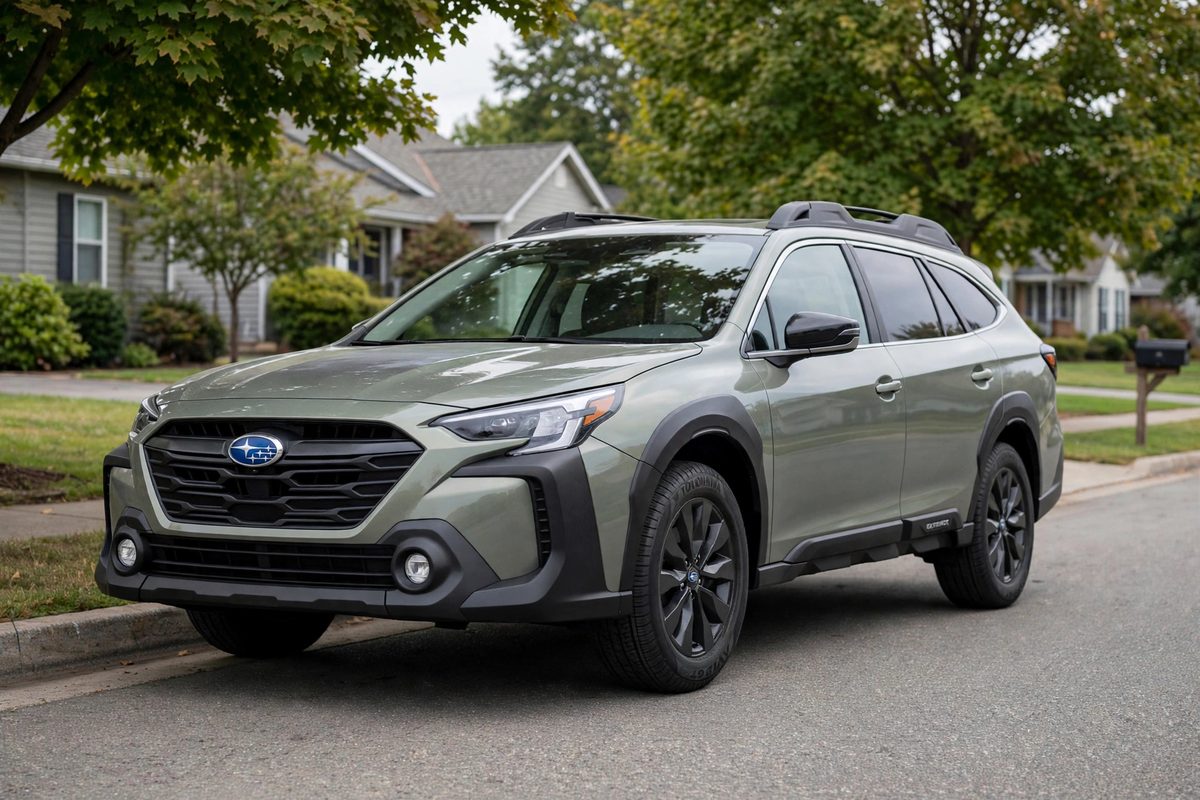
The 2024 model is not a redesign. The Outback had a mid-cycle refresh for 2023, and 2024 mainly brings the Wilderness trim up to date with styling in line with that refresh. A heated steering wheel also became standard on Onyx Edition, Onyx Edition XT, and Wilderness. That matters for used buyers because two 2024 cars that look the same on the outside can differ in small equipment. Check the steering wheel, the trim badge, and the window sticker or build sheet rather than assuming every Onyx or Wilderness has the same kit.
The bigger point is where 2024 sits in the generation. It is near the end of the sixth-generation wagon that began for 2020, before the 2026 model moved to a taller SUV shape. A 2024 therefore feels familiar, with tall glass and physical climate controls, but without the newest screens of the 2026 model.
Prices and Trims: New Price Versus Used Price
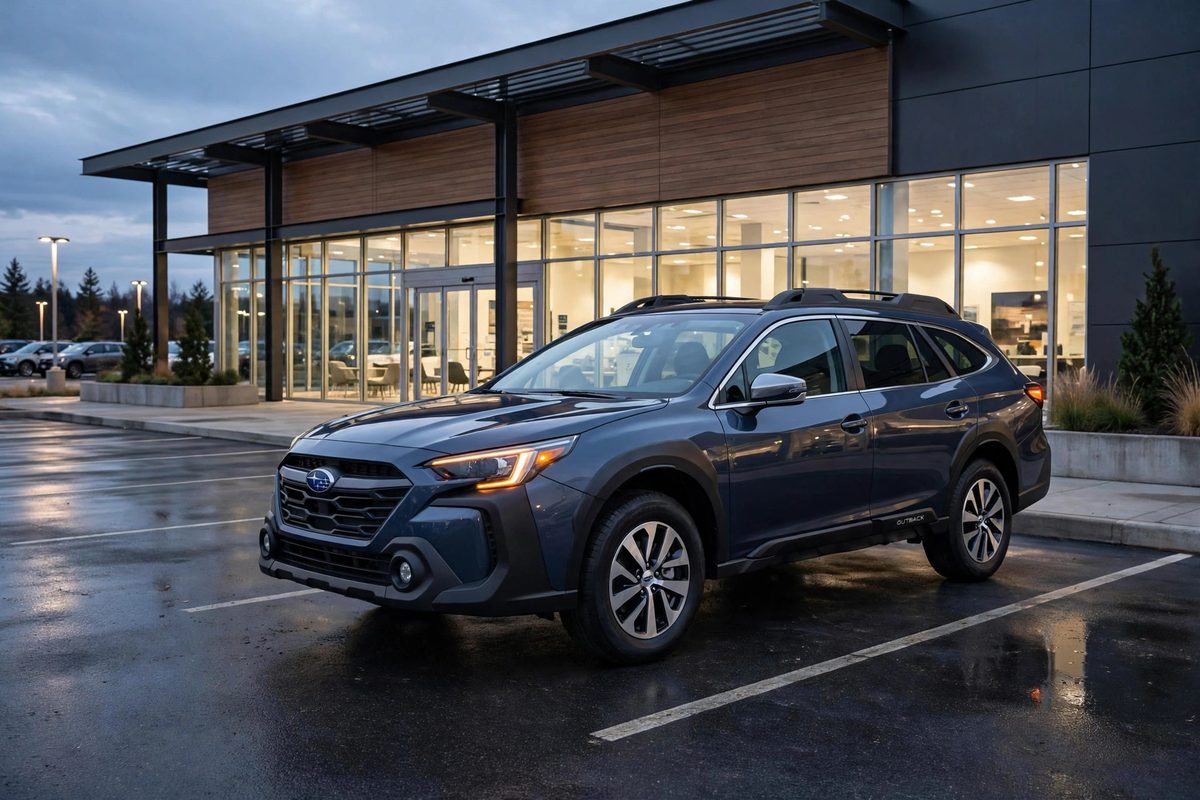
Many top results mix three different prices: the original sticker price, a dealer price before destination, and a current used price. Keep them apart. The table below uses Kelley Blue Book original MSRP when new, and its current Fair Purchase Price for a typical dealer sale. Individual cars will vary with mileage, condition, and options, so treat these as a guide, not a quote. As a second opinion, CarGurus national market data from November 9, 2026 lists 6,336 used 2024 Outbacks at an average of $27,982, down 6.2 percent from a year earlier — inside the KBB range in the table below.
| Trim | Original MSRP | Typical used price today |
|---|---|---|
| Base Wagon | $30,657 | $21,700 |
| Premium | $32,957 | $24,200 |
| Limited | $37,557 | $26,600 |
| Onyx Edition | $37,867 | $26,900 |
| Onyx Edition XT | $41,122 | $27,600 |
| Touring | $41,690 | $28,400 |
| Wilderness | $41,722 | $29,500 |
| Limited XT | $41,957 | $27,000 |
| Touring XT | $44,140 | $29,400 |
For most used buyers, Premium is the value pick. It adds the larger 11.6-inch touchscreen and wireless Apple CarPlay and Android Auto over Base without leather pricing. Limited adds leather, Touring adds the most luxury touches, and an XT is only worth the extra fuel cost if you tow near the limit or drive at altitude.
One price warning competitors often skip: some listings quote $28,895 before destination, while Kelley Blue Book lists $30,657 as the original MSRP for the base wagon, and a dealer listing quoted a $1,295 destination charge. Do not compare a before-destination price with an all-in price. Ask for the out-the-door price before you judge whether a used 2024 is a deal.
Engines, Performance and Real-World Driving
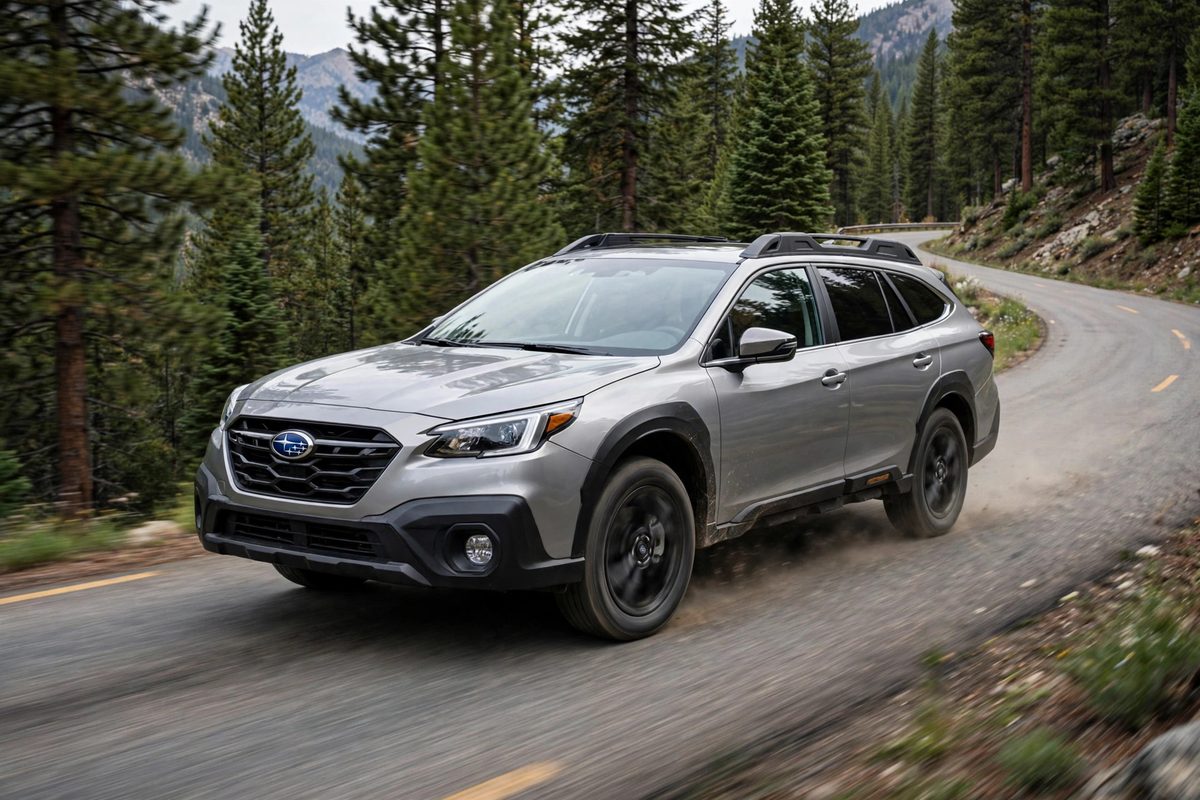
The standard 2.5-liter BOXER makes 182 horsepower and 176 pound-feet of torque, paired with a CVT and standard all-wheel drive. Around town it feels calm and adequate, but on a highway on-ramp or a steep climb with a full load it can feel strained. The 2.4-liter turbo makes 260 horsepower and 277 pound-feet of torque, pulls confidently for passing, and suits the weight of the car better, but it can surge as boost arrives and the CVT can drone under hard acceleration.
Ride quality is a strength, with a comfortable feel in rain and light snow and excellent visibility. Reviewers praised the balance of on-road comfort and off-road capability, and singled out the turbo for long mountain trips. The honest weakness is the touchscreen: the 11.6-inch screen on most trims can be slow, and Base uses a smaller 7.0-inch display. There is no hybrid 2024 Outback.
Fuel Economy: What You Will Actually Get
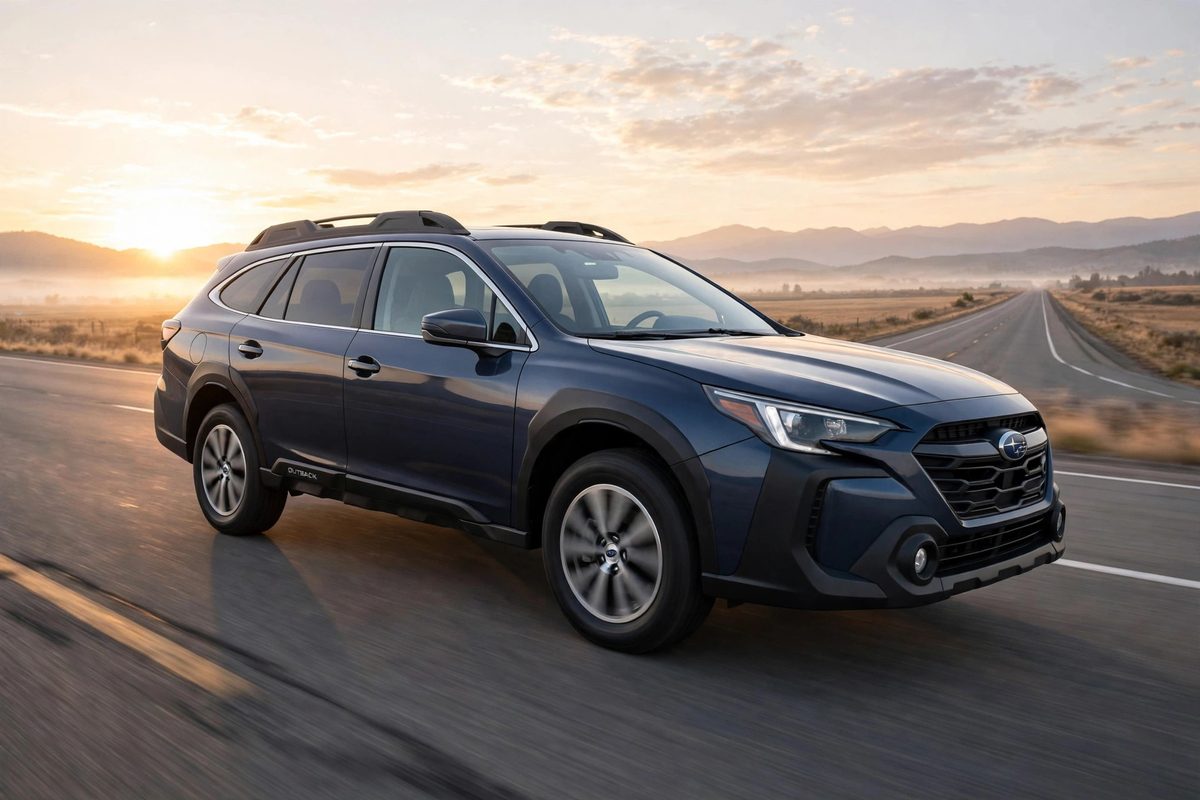
Use the combined figure for budgeting, because most owners mix city and highway driving. Highway trips will usually beat the combined figure, while short winter trips will fall below it. The gap between the engines is larger than many shoppers expect, and Wilderness pays extra for its stance and tires.
- 2.5-liter: 26 mpg city, 32 mpg highway, 28 mpg combined.
- Most turbos: 22 mpg city, 29 mpg highway, 25 mpg combined.
- Wilderness: 21 mpg city, 26 mpg highway, 23 mpg combined.
Interior, Cargo and Everyday Practicality
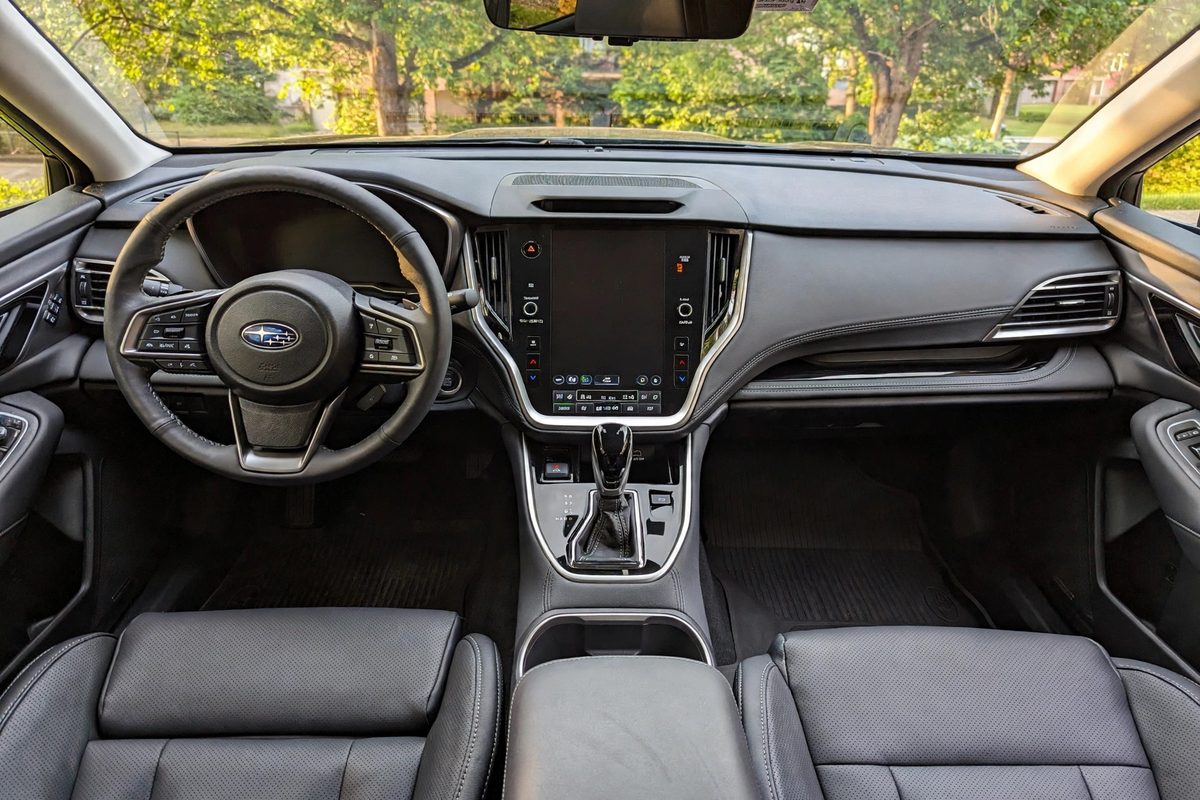
Rear legroom is 39.5 inches, and cargo space is 32.6 cubic feet behind the rear seats and 75.6 cubic feet folded. Cloth is standard, StarTex comes on Onyx Edition and Wilderness, and leather arrives on Limited and above. The flat cargo floor and 60/40 split seat make loading gear easy.
Safety and Driver Assistance
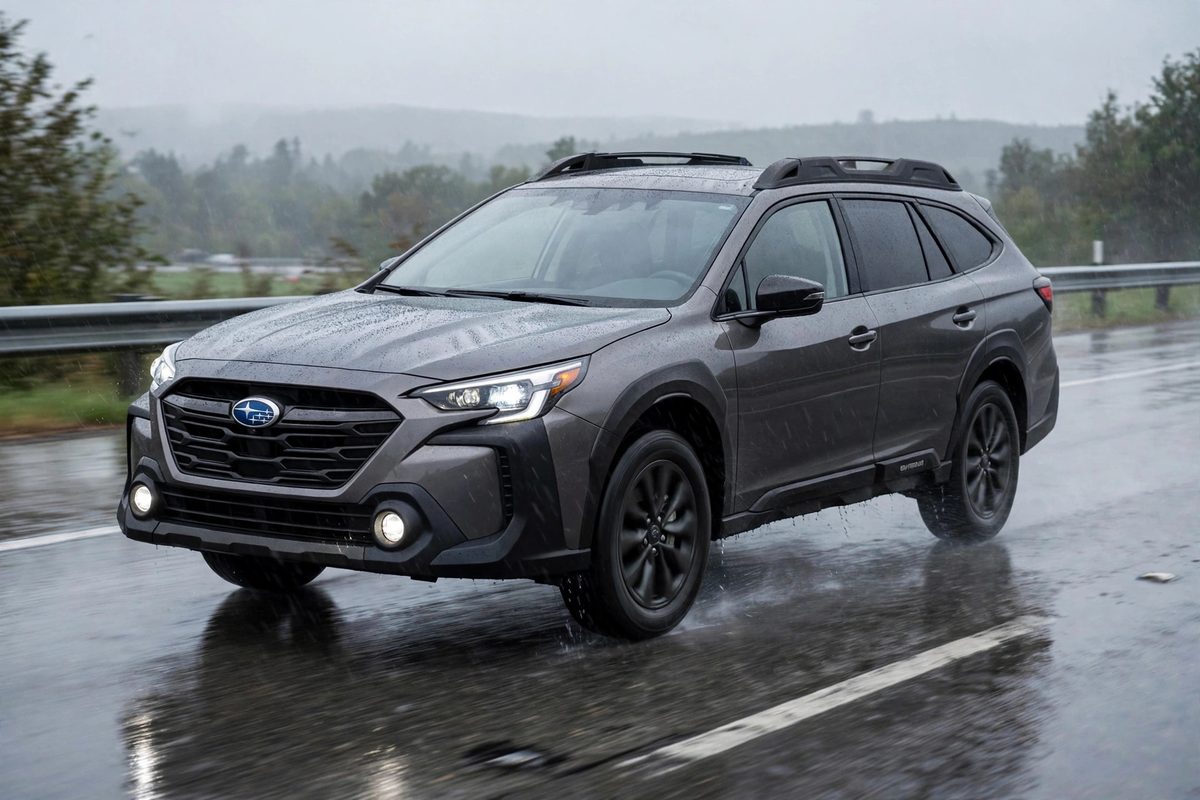
Every 2024 Outback has EyeSight, including automatic emergency braking, adaptive cruise control, lane-keeping assistance, lane centering, and automatic high beams. Higher trims add blind-spot monitoring and rear cross-traffic alert. The 2024 model earned a five-star NHTSA overall rating, and IIHS lists it as a Top Safety Pick. Some sources list Top Safety Pick+, which can depend on headlights and trim, so check the IIHS result for your exact trim.
Wilderness: When the Extra Capability Is Worth It
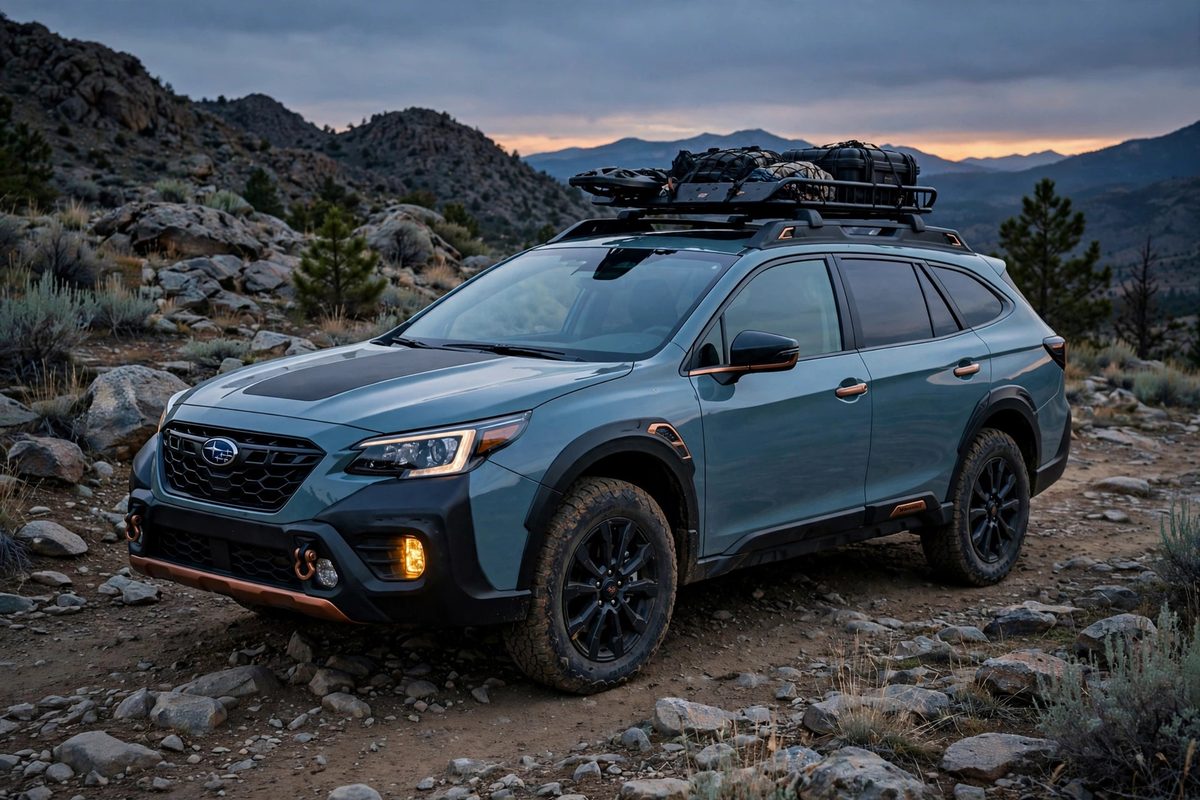
Wilderness is more than a styling pack. It raises clearance to 9.5 inches, adds all-terrain tires, unique bumpers, skid protection, StarTex upholstery, and enhanced X-Mode, with the turbo engine as standard and 3,500-pound towing. Buy it if you regularly drive forest roads, mud, snow, or rough tracks. Do not buy it only for the look if most miles are highway miles, because you will pay more and lose about 2 mpg combined.
2024 Versus 2025 and 2026: Which Year to Buy
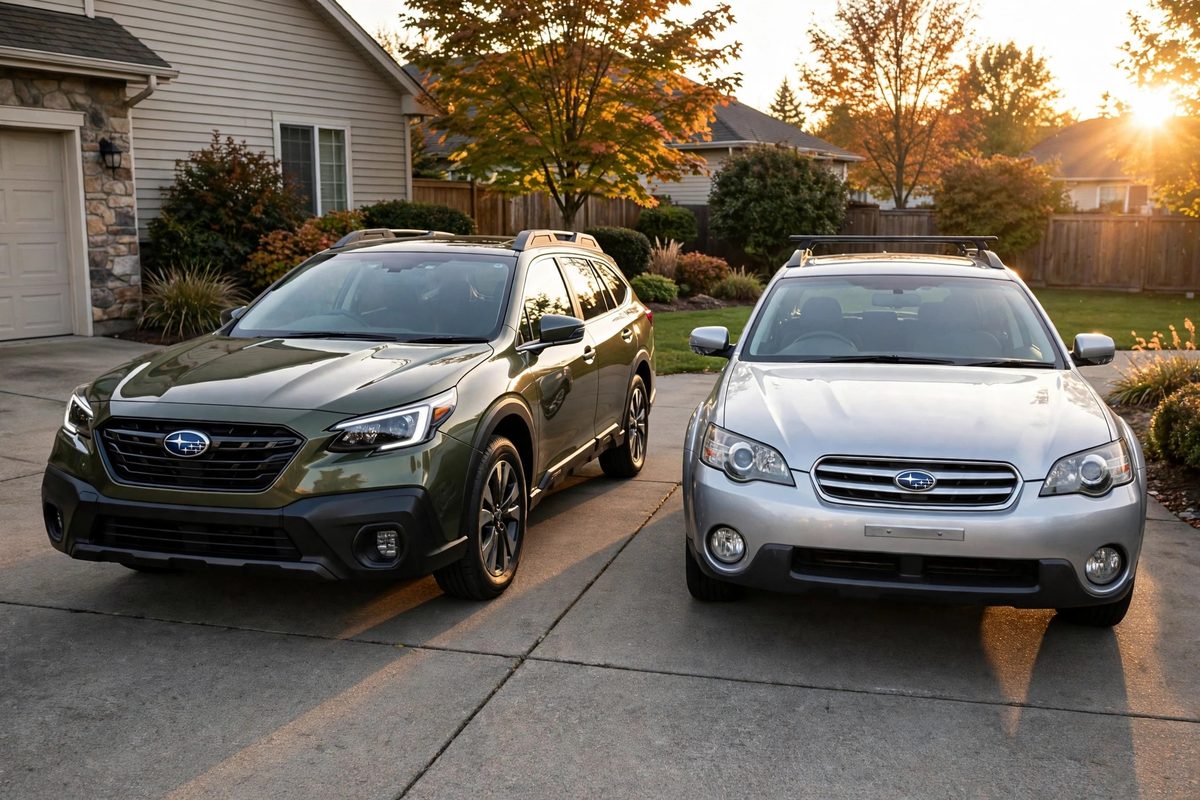
The 2024 and 2025 models share the same wagon shape, engines, and basic layout, so a clean 2024 at a lower price is often better value than a 2025 with similar mileage. The 2025 Limited gained equipment that used to cost extra, so compare Limited cars feature by feature. The 2026 model is a different car: a taller SUV shape with new screens. If you prefer the wagon, the 2024 is the cheaper way into the same proven generation.
Pros
- Standard all-wheel drive and X-Mode on every trim.
- Excellent cargo space and rear legroom for the price.
- Proven wagon shape with strong visibility and a comfortable ride.
- Choice of an efficient 2.5-liter or a quick 260-horsepower turbo.
Cons
- Base engine feels strained when fully loaded or merging.
- CVT drone and a sometimes slow touchscreen.
- No hybrid version, so city economy trails hybrid rivals.
- Used prices vary widely, so a careless listing can look like a deal when it is not.
Ownership Costs and What to Check Before You Buy
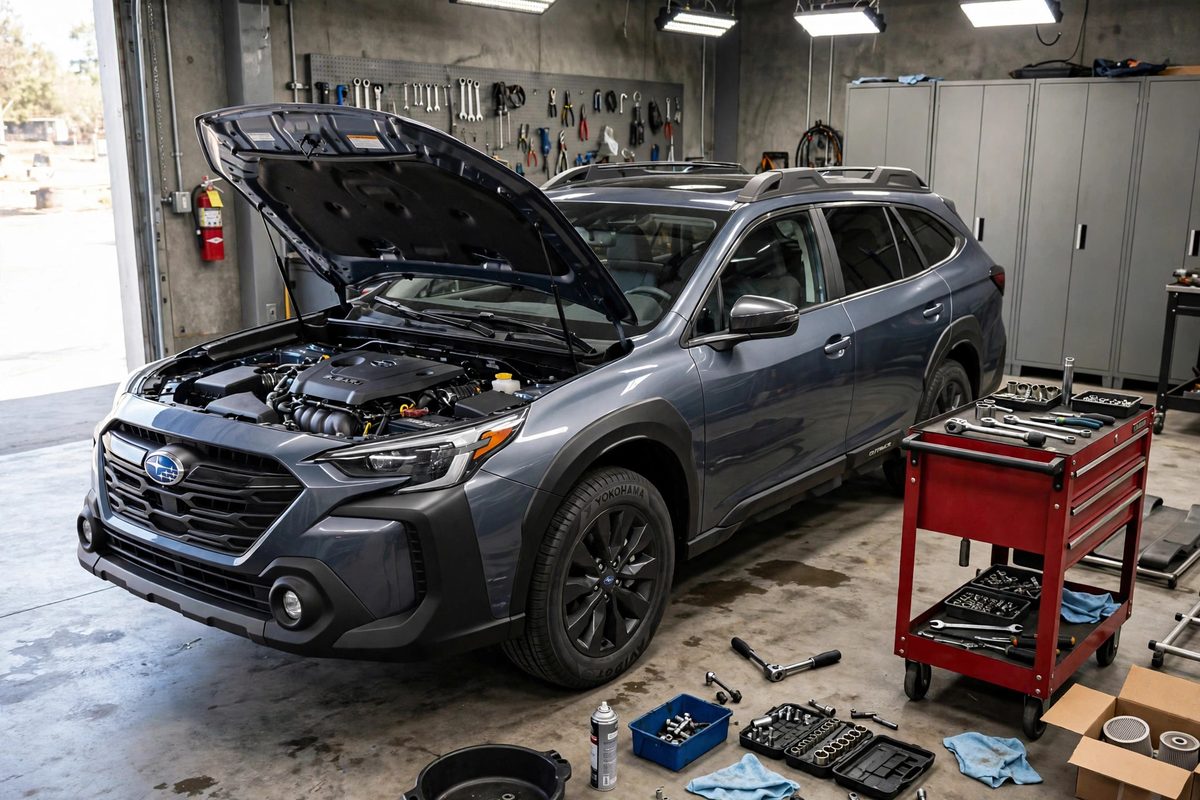
Subaru covered the 2024 Outback with a 3-year or 36,000-mile basic warranty and a 5-year or 60,000-mile powertrain warranty when new. As a used car, most 2024 examples will be out of basic warranty, so check what powertrain cover remains. One used-buying source notes the 2023 to 2024 2.5-liter Limited as a strong pick, with fewer early-generation issues than 2020 to 2021 cars, but still run the VIN for recalls before you commit. The recall and complaint record in the section below is why that check matters less for the 2024 than for earlier years — and why the windshield still deserves a close look.
Recalls and Owner Complaints: A Clean Record With One Caveat
Here is the headline fact about the 2024 Outback: NHTSA lists no safety recall campaigns for it at all. That is not a gap in the data — several independent trackers of NHTSA's database agree, including a refresh dated November 16, 2026, and CarBuzz's October 2026 reliability round-up, which notes that the 2024 (and 2025) improved on the 2023 model's two recalls. It is the first Outback model year with a clean sheet since the sixth generation began in 2020, when six recalls were issued in the first year alone. The practical meaning is simple: unlike a 2020 or 2021, a 2024 has no recall repair to verify before you buy. Run the VIN anyway — recalls can be issued years after a car is sold — but expect a blank result.
| Complaint area | Complaints |
|---|---|
| Unspecified | 28 |
| Visibility and wipers | 19 |
| Forward collision avoidance | 18 |
NHTSA had 97 owner complaints on file for the 2024 Outback as of October 6, 2026 — a typical count for a car of this age and sales volume, with five reported crashes, two fires and four injuries among them — and no open NHTSA investigation covers the 2024. But the pattern inside the complaints matters more than the total. The top theme is the one that has followed this generation since 2020: the windshield. Owners of 2024 cars still report spontaneous cracks, including a Wilderness owner in August 2026 who found a large crack after the car sat parked overnight in hot weather, and another whose windshield cracked from the lower edge with no visible impact. The catch is the settlement: the Powell v. Subaru windshield settlement, finally approved in April 2025, covers 2020–2022 cars only, with a one-time replacement up to eight years or 100,000 miles. A 2024 is outside it, so a cracked windshield is an out-of-pocket repair — inspect the glass closely, especially around the lower edge, and ask whether it has already been replaced. The second theme is driver assistance: forward-collision-avoidance complaints include EyeSight warnings and phantom braking, and a few owners report the passenger airbag indicator showing off, the same symptom behind the 24V227 recall — except that recall covers 2020–2022 cars only, not the 2024.
Just as useful is what the 2024 does not inherit. The thermal control valve failure that haunts 2020 and early-2021 cars does not apply to the 2024, and the extended 15-year or 150,000-mile TCV warranty Subaru issued in May 2024 under TSB 09-119-24 is irrelevant to it. The CVT chain-slip recalls and the fuel-pump recall likewise stop at earlier model years. One small known item does carry over: a technical service bulletin (12-266-25) covers a stuck low-washer-fluid warning on 2020–2024 Legacy and Outback cars, so if the warning stays lit with a full reservoir, a dealer can fix it under the bulletin rather than replacing parts blindly. The takeaway for a buyer is that the 2024 is the cleanest sixth-generation year on paper — spend the inspection time on the windshield, an EyeSight test drive, and the VIN check, in that order.
Before you buy a used 2024 Outback, check these items
- ✓Confirm trim and engine from the door sticker, not just the listing title.
- ✓Test highway merging, a steep hill, and the touchscreen with your phone connected.
- ✓Check that Onyx and Wilderness cars have the heated steering wheel listed for 2024.
- ✓Inspect tires, especially on Wilderness, and ask for service history.
- ✓Run the VIN for recalls and compare the out-the-door price with this guide.
Is the 2024 Subaru Outback a good buy used?▾
Yes, for most midsize wagon and SUV shoppers, especially if you value standard all-wheel drive, cargo space, and a comfortable ride. It is a particularly good buy as a clean used example at a typical dealer price well below its original MSRP. It is less compelling if you must have a hybrid or the newest SUV styling, so compare the 2026 model first in that case.
What is the fuel economy of the 2024 Subaru Outback?▾
The 2.5-liter models are rated at 26 mpg city, 32 mpg highway, and 28 mpg combined. Most turbos are rated at 22 mpg city, 29 mpg highway, and 25 mpg combined, while Wilderness is rated at 21 mpg city, 26 mpg highway, and 23 mpg combined.
How much can the 2024 Subaru Outback tow?▾
Models with the 2.5-liter engine can tow up to 2,700 pounds. Turbo models, including Wilderness, can tow up to 3,500 pounds when properly equipped. Always check the trailer, hitch, and vehicle ratings together for your exact trim.
What is the difference between the 2024 and 2025 Outback?▾
Very little in shape or engines. Both are sixth-generation wagons, while 2026 is a redesigned SUV. The 2025 Limited gained some equipment that cost extra before, so compare Limited cars feature by feature and let price and condition decide between a clean 2024 and a 2025.
Which 2024 Outback trim is the best value used?▾
Premium is the best value for most buyers, because it adds the larger touchscreen and wireless phone connectivity over Base without leather pricing. Limited is better if you want leather, and Wilderness only if you need its off-road hardware.
Does the 2024 Subaru Outback have any recalls?▾
No. NHTSA lists no safety recall campaigns for the 2024 Outback — the first clean sheet of the sixth generation, after six recalls for the 2020 model and two for the 2023. Recalls can still be issued after a car is sold, so run the VIN at nhtsa.gov/recalls before you buy, but expect a blank result.
What problems do 2024 Outback owners report most?▾
Windshield cracking is the top theme: owners report spontaneous cracks, and the Powell v. Subaru settlement covers 2020–2022 cars only, so a 2024 windshield replacement is out of pocket. Owners also report EyeSight warnings and phantom braking, and a few report the passenger airbag indicator showing off. NHTSA had 97 complaints on file as of October 6, 2026 — a typical count — and no open investigation covers the 2024.
The Bottom Line
The 2024 Subaru Outback earns its reputation by doing practical things well: standard all-wheel drive, a roomy interior, a comfortable ride, strong safety scores, and a choice between economy and turbo power. Its flaws are honest: a strained base engine when loaded, CVT drone, a touchscreen that can lag, and no hybrid option. Buy Premium for value, Limited for comfort, an XT for towing, and Wilderness only if you will use its capability. Check the out-the-door price, the exact trim, and the VIN before you sign.
This guide is for general information only, not dealer or manufacturer advice. Prices, ratings, and availability change over time, so confirm the exact trim, price, warranty, and safety result for the vehicle you are buying before you sign. Recall and complaint figures reflect NHTSA data checked November 17, 2026, and used prices reflect CarGurus market data from November 9, 2026.
Continue researching the Outback
- 2025 Subaru Outback: The Last Wagon-Shaped Year
- The Honest Guide to Buying a Used Subaru Outback
- Cost of Subaru Outback: 2026 Prices, Trims and Ownership Costs
- 2023 Subaru Outback: Facelifted Gen-6 Sweet Spot
- Subaru Outback Years to Avoid: Worst Years by Generation
- Subaru Outback Common Problems by Year & Repair Costs
Sources
A note on prices
Prices, trims, MPG figures and safety ratings change over time. Treat the figures here as a starting point and confirm the details with a dealer or the manufacturer's site before you buy.
Continue reading