Buying Guide · 9 min read
Lifted Subaru Outback: Lift Kits, Costs & Guide (2026)
A lifted Subaru Outback adds 1.5-2 inches of clearance for $320-$1,200 in parts. Kit types, tire sizes, warranty risks and the best years to lift, explained.
By Priya Chandra ·
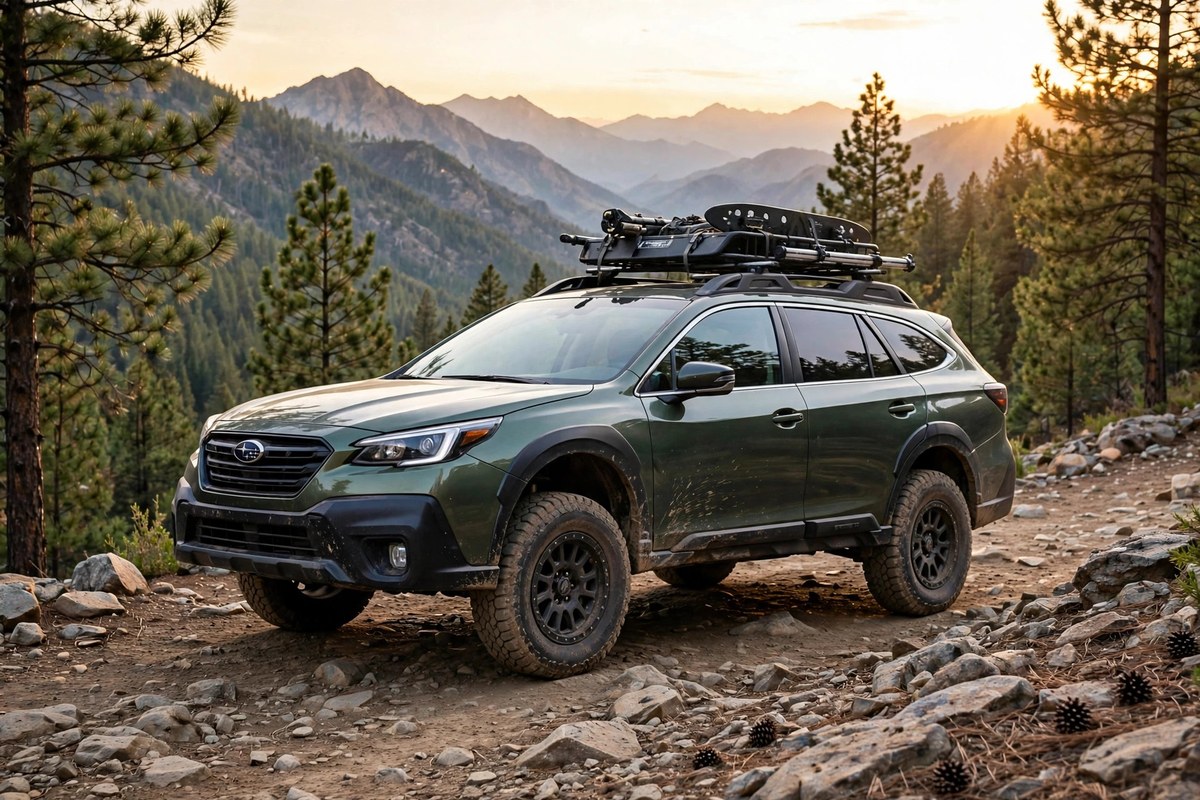
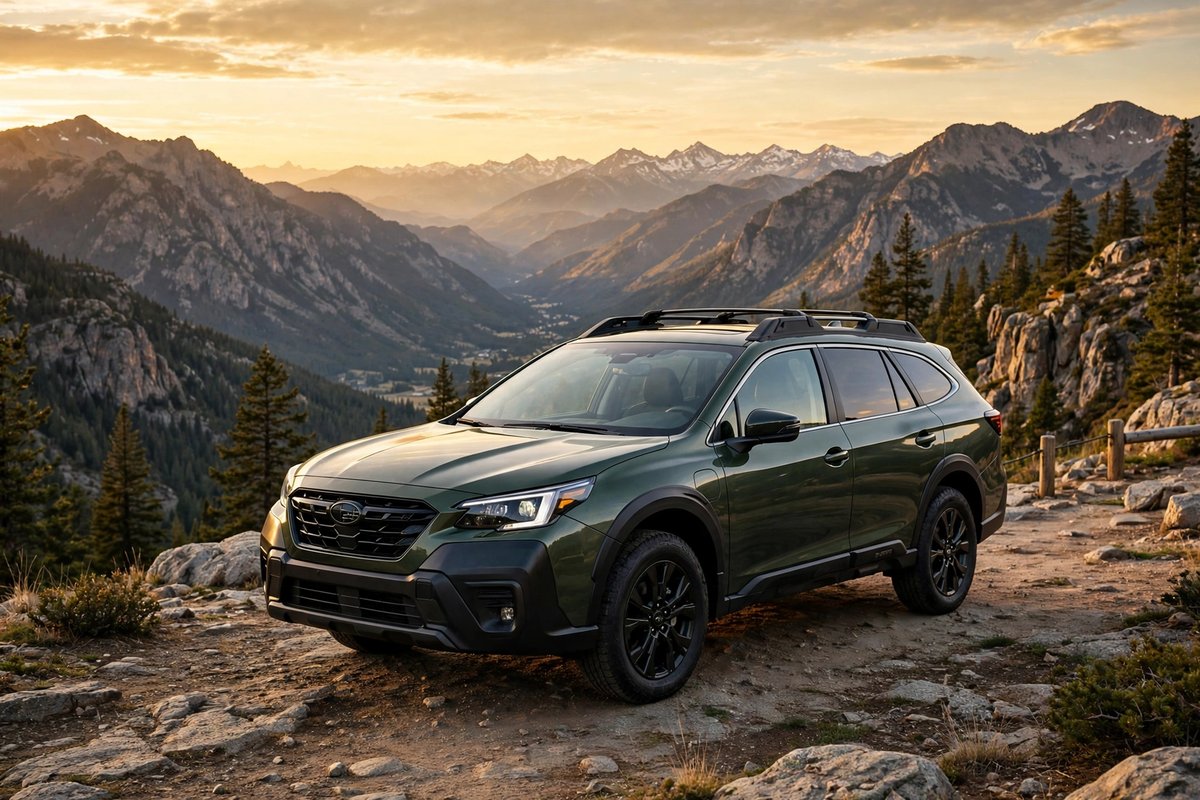
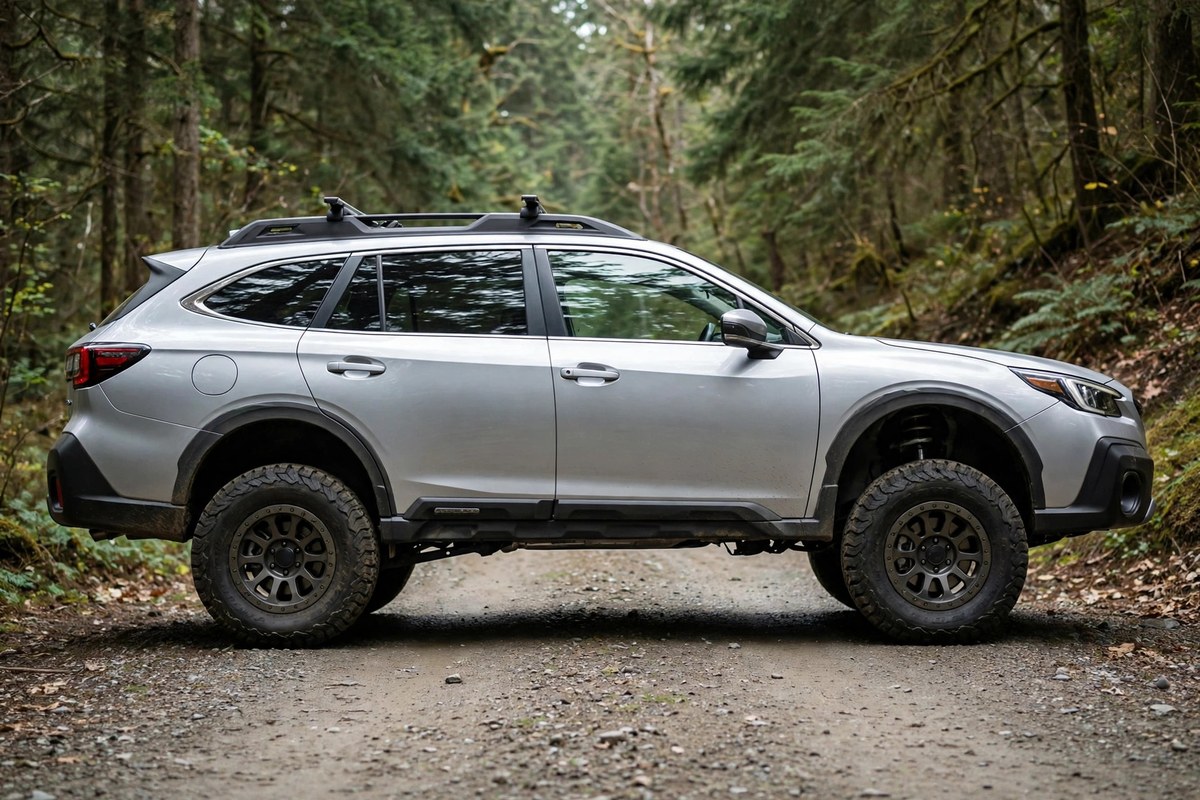
A lifted Subaru Outback is a standard Outback raised 1.5 to 2 inches on a suspension lift kit, taking ground clearance from 8.7 inches to about 10.7 inches and making room for larger all-terrain tires. The most popular kits cost $320 to $1,200 for parts, plus $300 to $500 installed. Done right, it keeps the factory ride and EyeSight working while adding real trail capability. Done wrong, it chews through CV axles and risks the warranty claims that matter most.
This guide covers the three lift kit types, 2026 costs, which tire sizes fit after a lift, the warranty and CV-axle risks, and which Outback years lift best. Every price and fitment figure comes from a manufacturer or retailer listing checked in November 2026. Our ground-clearance guide has the stock figures for every year.
Lifted Subaru Outback at a Glance
| Setup | Ground clearance | Max tire | Parts cost |
|---|---|---|---|
| Stock Outback | 8.7 in | 225/65R17 | — |
| Stock Wilderness | 9.5 in | 225/65R17 | — |
| 1.5-in spacer lift | 10.2 in | 245/65R17 | $250-$630 |
| 2-in suspension lift | 10.7 in | 245/65R17 | $320-$1,199 |
Every inch of lift adds an inch of clearance, and a one-size tire upgrade adds roughly another half inch. A 2-inch lift plus 245/65R17 tires puts the rocker panels above 12 inches, per ReadyLIFT's measurements. Approach and departure angles improve by about 3 to 4 degrees, which stops the front bumper dragging on steep trail entries. The Wilderness starts at 9.5 inches, but most kits do not fit it.
Lift Kit Types: Spacer, Springs or Full Suspension
| Kit type | Lift | Parts cost | Install | Best for |
|---|---|---|---|---|
| Strut-top spacers | 1-2 in | $100-$300 | DIY-friendly | Mild trails, looks |
| Lift springs | 1.5-2 in | $400-$800 | Shop recommended | Loaded cars, towing |
| Full suspension kit | 2-3 in | $1,200-$2,500+ | Shop required | Serious off-road use |
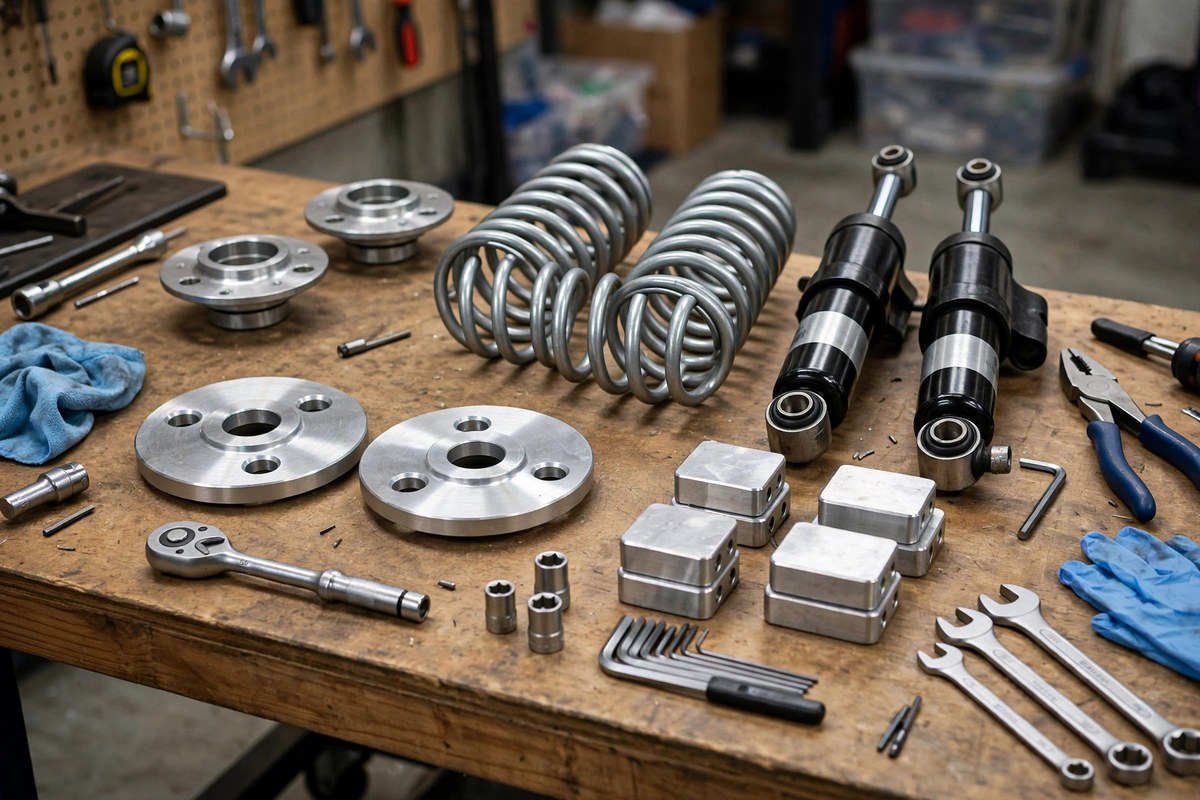
Spacer kits bolt a machined block on top of each strut. They are cheap, keep the factory springs and dampers, and suit most owners: a 1.5-inch ADF spacer kit costs $630 with multi-link spacers included, and the ReadyLIFT 2-inch spacer kit is $320. Suspension travel does not change, so the ride stays stock and the extra height comes entirely from the spacer. Lift springs replace the factory coils with taller, stiffer ones. They handle heavy loads better — roof tents, full cargo, a trailer — and RalliTEK's overload springs suit cars that stay loaded. A full suspension kit replaces springs and struts together — Ironman 4x4's ATS kit costs $1,199 — and is the only option that genuinely improves off-road damping. Above 2 inches, insist on subframe spacers to protect the CV axles.
How Much Does It Cost to Lift a Subaru Outback?
| Kit | Lift | Years | Parts price |
|---|---|---|---|
| ReadyLIFT SST 69-90200 | 2 in | 2020-2024 | $319.95 |
| ADF 1.5-in spacer kit | 1.5 in | 2020-2025 | $629.99 |
| aFe Power Control 2.0 | 2 in | 2020-2025 | $719.00 |
| Ironman 4x4 ATS | 2 in | 2026+ | $1,199.00 |
| LP Aventure 2-in kit | 2 in | 2010-2014 | CAD $1,196.10 |
Budget $300 to $500 for professional installation and about $120 for an alignment, which every lift needs. All-in, expect $700 to $900 for a shop-installed spacer lift, $1,500 to $2,000 for a full suspension kit, and $500 to $3,000 or more once larger tires are added — four 245/65R17 all-terrains typically add $800 to $1,200. The cheapest path is a basic spacer kit installed at home for under $400 all-in, but only if you are comfortable with spring compressors; a strut under load can seriously injure you. Do not forget the spare: a full-size match costs another $200 or more, and the stock donut will not match the taller tires.
Bigger Tires: What Fits After a Lift
| Generation | Stock tire | Largest after lift | Max diameter |
|---|---|---|---|
| 2010-2014 | 225/60R17 | 225/65R17 | 28.5 in |
| 2015-2019 | 225/65R17, 225/60R18 | 245/65R17, 255/55R18 | 29.5 in |
| 2020-2025 | 225/65R17, 225/60R18 | 245/65R17, 255/55R18 | 29.5 in |
| 2022-2025 Wilderness | 225/65R17 | 245/65R17, 255/55R18 | 29.5 in |
| 2026 / Wilderness | 225/60R18, 225/55R19 | 245/65R17, 255/55R18 | 29.5 in |
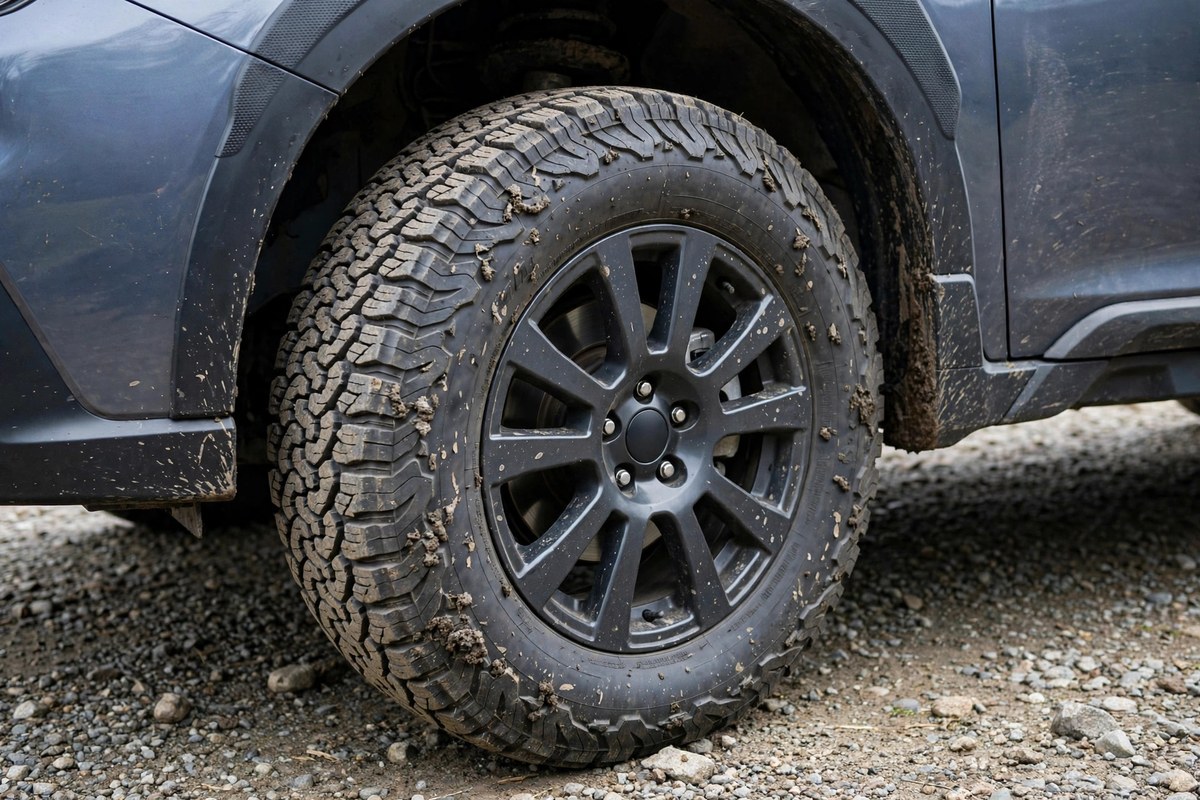
The tire is where a lift pays off. A 245/65R17 is about an inch taller than the stock 225/65R17, which adds roughly half an inch of clearance and puts more sidewall between the wheel and the rocks. ADF's fitment chart, updated in July 2026, lists 245/65R17 as the largest recommended tire for every lifted Outback from 2015 onward, with a maximum diameter of 29.5 inches. Three things change. First, the speedometer reads low: a 245/65R17 travels about 5 percent farther per revolution than stock, so at an indicated 60 mph you are really doing about 63. Second, fuel economy drops 1 to 3 mpg from weight and rolling resistance, and the odometer under-counts miles by the same 5 percent, making the loss look worse than it is. Third, the factory spare no longer matches, so a trail flat means driving on mismatched tires until you reach a shop.
Warranty, CV Axles and EyeSight: The Real Risks
A lift kit does not void your whole warranty. Under the Magnuson-Moss Warranty Act, a manufacturer cannot cancel your entire factory warranty over an aftermarket part; to deny a specific claim, the dealer must show the modification caused that failure. In practice, that protection has limits. A CV axle that fails on a car raised 3 inches is a claim a dealer can defend denying, since the steeper axle angle is a real cause of premature wear. The factory struts and springs you removed are no longer covered at all.
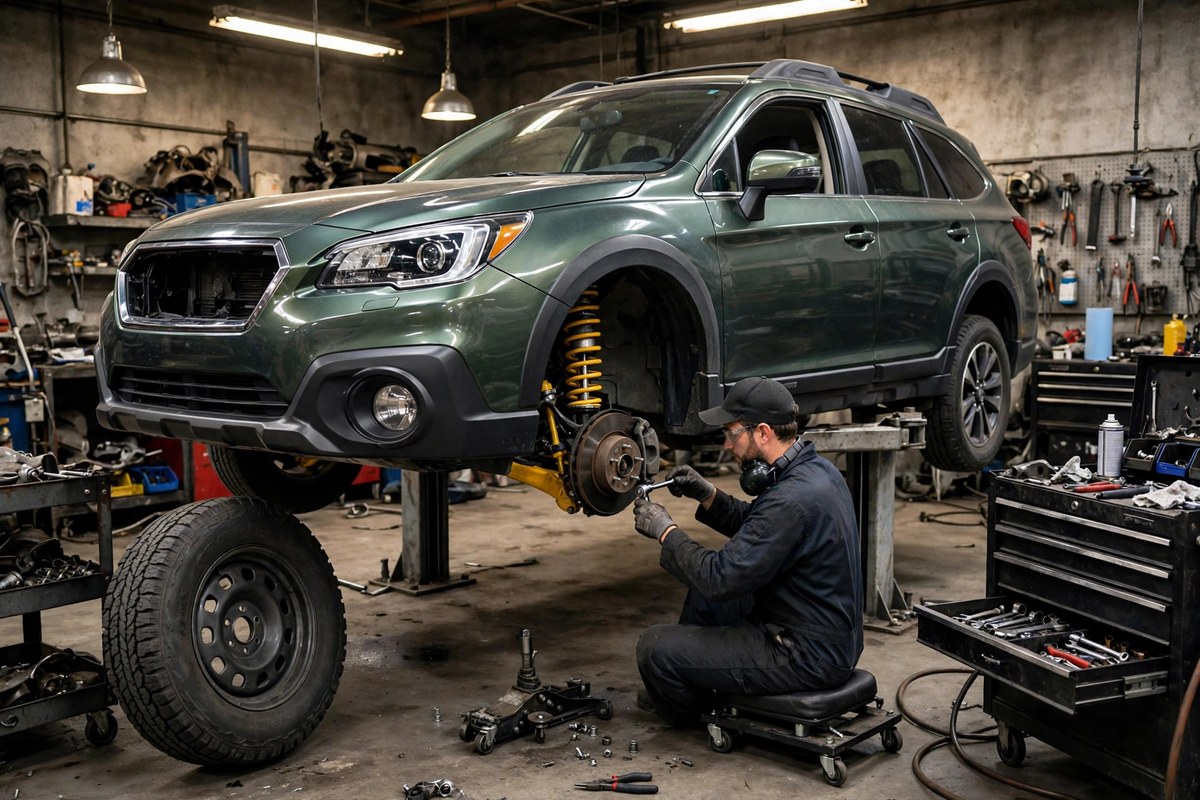
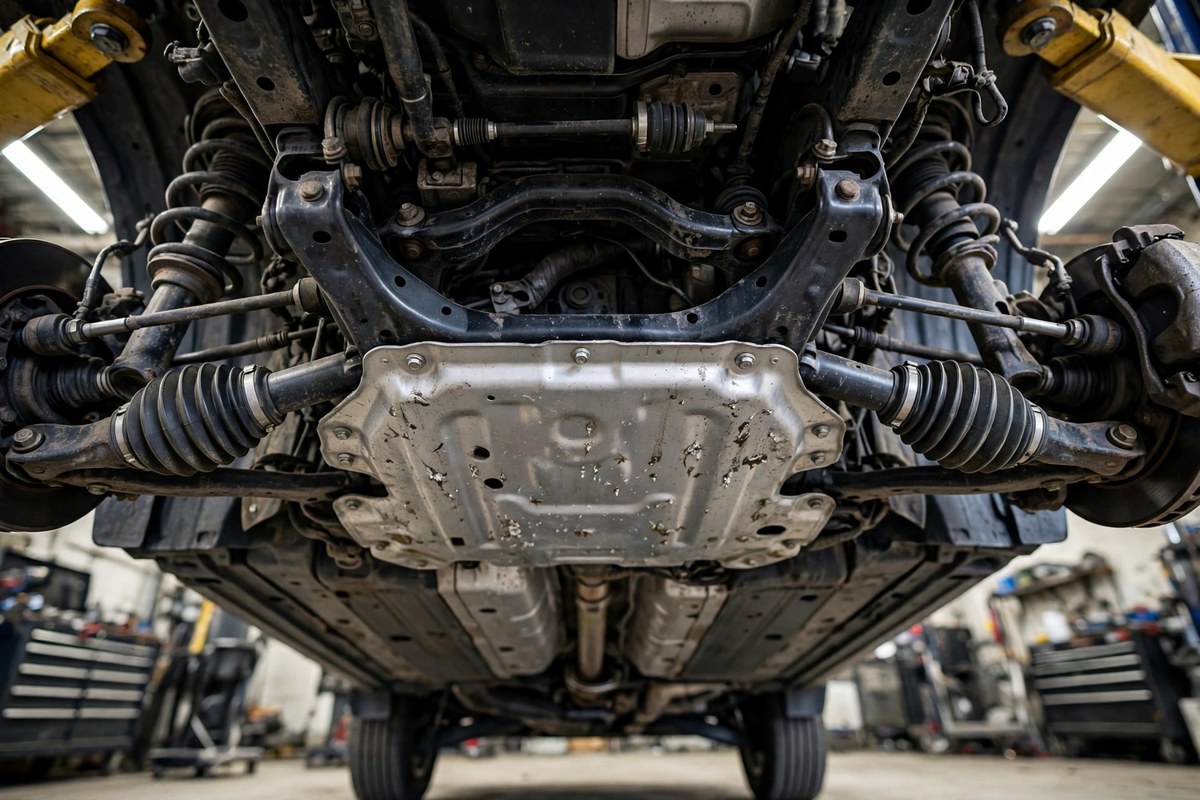
The mechanical risk is the CV axle angle. Lifts over 2 to 2.5 inches push the axles beyond their designed range unless the geometry is corrected, and the first symptom is usually a torn CV boot, which lets dirt into the joint and guarantees fast failure. That is why quality kits include rear subframe spacers: they lower the subframe and bring the axles back toward factory angles, the stated reason aFe Power includes billet subframe spacers in its kit. Also expect faster wear on wheel bearings and ball joints, which carry more load once the car is taller and the tires heavier. EyeSight is the pleasant surprise. ReadyLIFT states its kit maintains the functional integrity of EyeSight and other safety systems, and the Wilderness proves Subaru itself sells a raised Outback with the same camera system. Still, get a full alignment and an EyeSight check after any lift, and tell your insurer: a modified car that is not declared can complicate a claim.
Which Outback Years Lift Best?
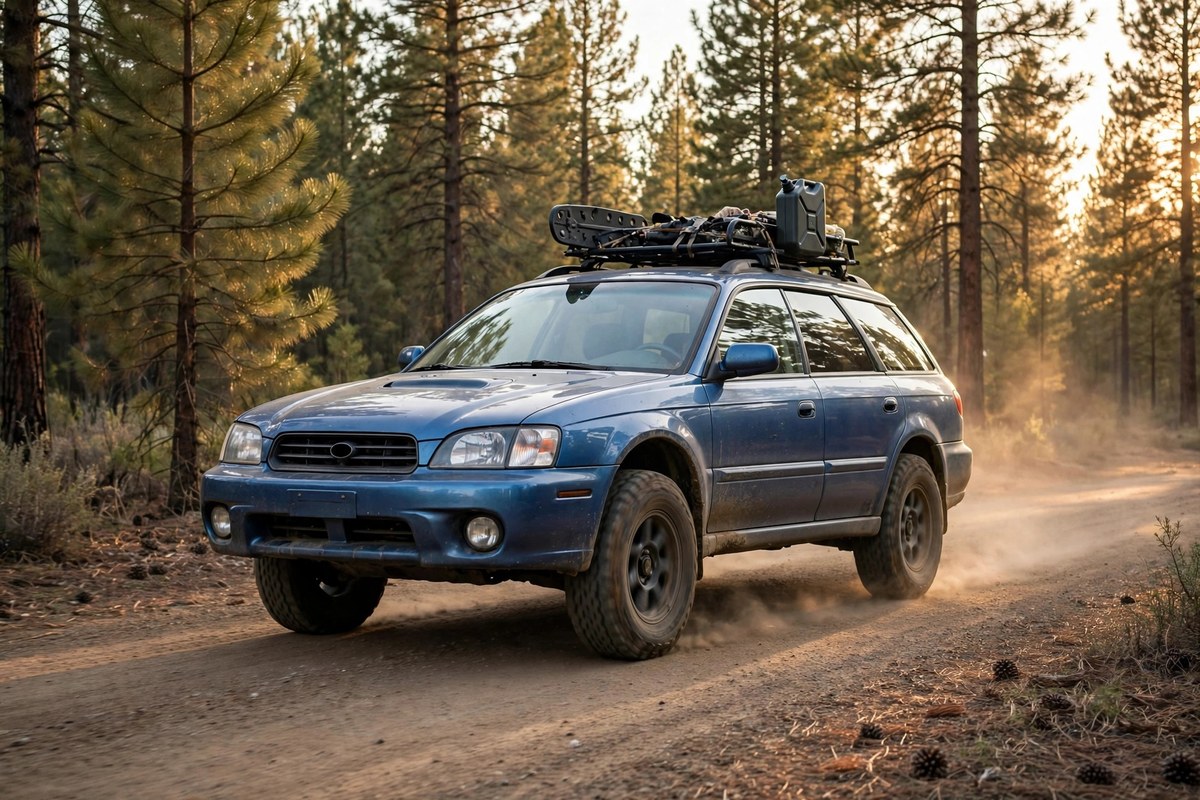
The 2015-2019 Outback is the sweet spot for lifting. Parts are plentiful and cheap — aFe's 2-inch kit for these years is $719 and spacer kits start under $300 — and the cars are now inexpensive enough that owners are happy to modify them. The 3.6R six-cylinder cars are the pick for a lifted build, because the extra torque offsets the taller tires. The 2020-2025 Outback has the widest kit choice — ReadyLIFT, ADF, aFe and Ironman all offer kits — and the turbo XT's 260 horsepower handles the extra weight best. The 2026 car is the newest option: Ironman 4x4 already sells a 2-inch ATS kit for it at $1,199, listed as back in stock on December 18, 2026, though it will not fit the Wilderness or cars with electronic dampers.
The Wilderness deserves a warning of its own. It already sits 0.8 inches higher than a standard Outback, and ReadyLIFT states plainly that its kit is not compatible with the factory lift, including the Wilderness edition. Lifting one anyway means starting from a taller baseline with parts not designed for it, so most owners are better off fitting larger tires and skid plates instead. Older cars lift well too: aFe's 2-inch kit covers 2010-2014 at the same $719. Whatever year you own, check fitment against your exact trim before ordering — the Wilderness and the 2026 electronic-damper cars are the two common traps.
Frequently Asked Questions
How much does it cost to lift a Subaru Outback?▾
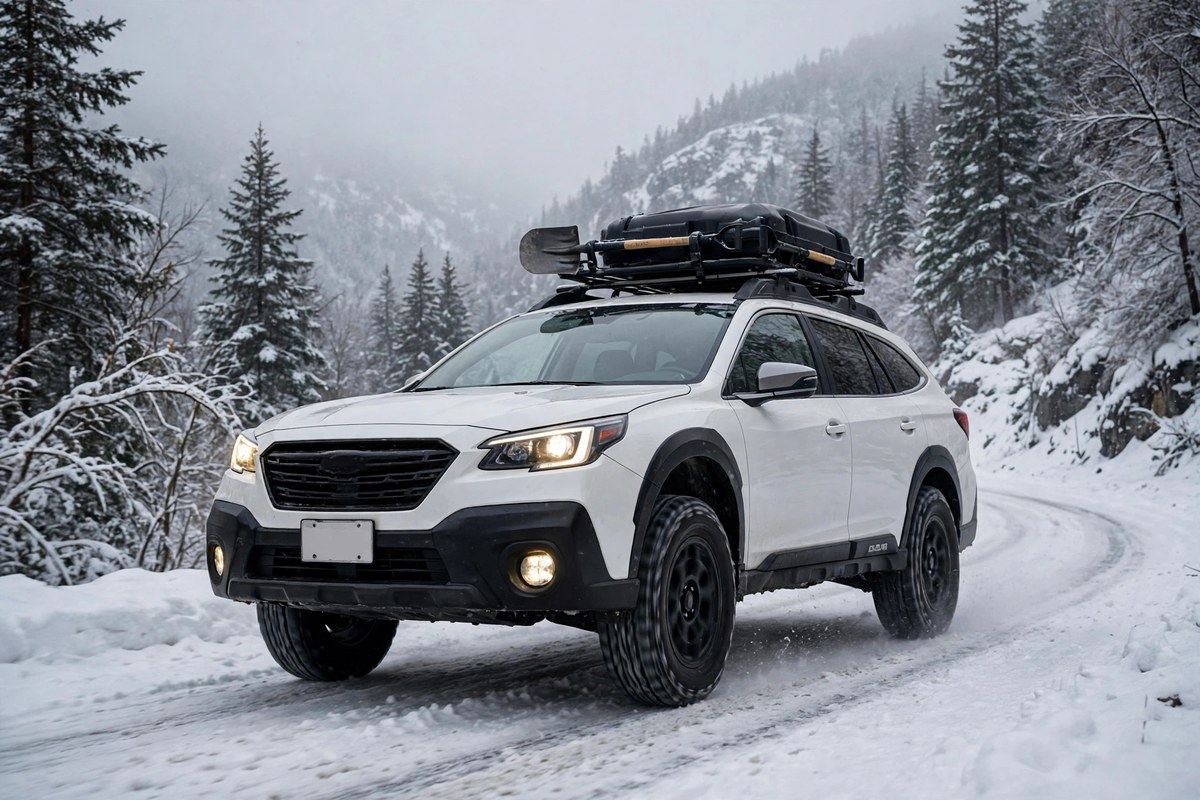
Parts run $320 to $1,200: ReadyLIFT's 2-inch spacer kit is $319.95, aFe's is $719 and Ironman 4x4's full suspension kit is $1,199. Add $300 to $500 for installation and about $120 for alignment. A realistic all-in total is $700 to $900 for a shop-installed spacer lift, or $1,500 to $2,000 for a full suspension kit, before tires.
How much ground clearance does a lifted Outback have?▾
A stock Outback has 8.7 inches of clearance; the Wilderness has 9.5 inches. A 2-inch lift raises a standard Outback to about 10.7 inches, and 245/65R17 tires take the rocker panels past 12 inches, per ReadyLIFT. A 1.5-inch lift lands at about 10.2 inches.
Does lifting an Outback void the warranty?▾
No, not the whole warranty. Under the Magnuson-Moss Warranty Act, Subaru must prove the lift caused a specific failure before denying that claim, and unrelated systems stay covered. But a dealer can deny a CV axle or suspension claim on a lifted car, and parts you removed are no longer covered.
What is the biggest tire that fits a lifted Outback?▾
For every Outback from 2015 onward, the largest recommended tire after a lift is 245/65R17 or 255/55R18, with a maximum diameter of 29.5 inches, per ADF's July 2026 fitment chart. Larger sizes usually need trimming of the front wheel-well liner.
Does a lift kit affect EyeSight?▾
No, according to the kit makers: ReadyLIFT states its 2-inch kit maintains the functional integrity of EyeSight and other safety systems. Still, have the alignment and EyeSight cameras checked after installation, since a lift changes the car's ride height and the cameras' view.
The Bottom Line
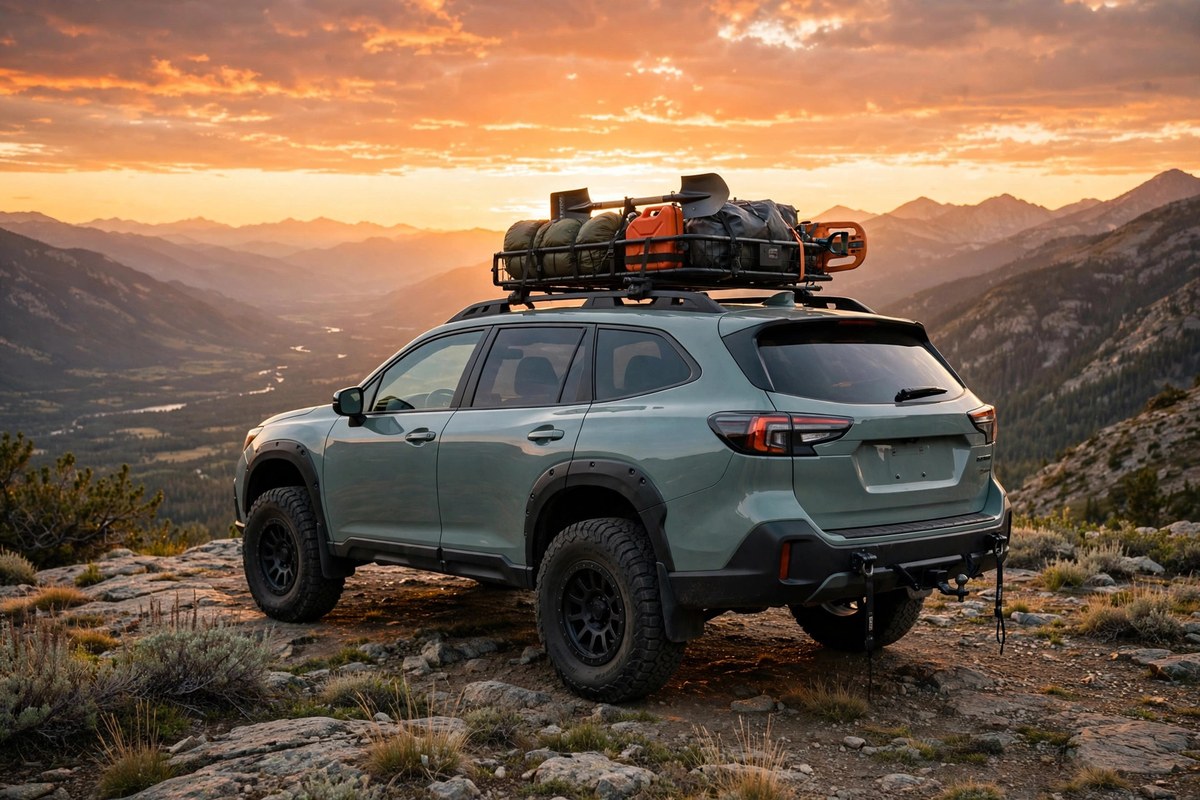
A 1.5 to 2-inch lift is the Outback modification that makes the most sense. It costs $320 to $1,200 in parts, keeps the factory ride with a spacer kit, and turns 8.7 inches of clearance into 10.7 — enough for the forest roads and rutted tracks that stop a stock car. Pick the kit for your use, not your ego: spacers for mild trails and looks, a full suspension kit for serious off-road work, subframe spacers past 2 inches. Keep the tires to 245/65R17, expect 1 to 3 mpg less, and get the alignment done the same day.
Talk to your dealer first, keep the stock parts, and keep every receipt. A lifted Outback is still a Subaru — reliable, practical and comfortable — just one that no longer has to turn around at the first deep rut.
Continue researching the Outback
Sources
- Ironman 4x4: 2-inch ATS Suspension Lift Kit for Subaru Outback (2026+)
- ReadyLIFT: 2.0 Inch SST Lift Kit Subaru Outback 2020-2024
- Anderson Design & Fabrication: Lifted Subaru Tire Size Charts
- Anderson Design & Fabrication: 2020-2025 Outback 1.5-inch Lift Kit
- Whiteline: Does a Lift Kit Void Your Subaru Warranty?
- aFe Power: 2.0-inch Lift Kit, Subaru Outback 2020-2025
- 4XPEDITION: Subaru Outback Overland Road Warrior (LP Aventure 2-inch lift)
- MotorTrend: 2022 Subaru Outback Wilderness EPA Fuel Economy
A note on prices
Lift kit prices are list prices checked in November 2026 and change with sales and stock. Installation and alignment costs are typical US shop rates. Confirm price and fitment for your exact year and trim before ordering.
Continue reading